When it comes to travel that truly restores, it isn’t always about finding the perfect beach and switching off. In a world of constant notifications and sensory overload, the most meaningful journey you can take may be one that reconnects you with yourself.
Across the globe, certain places have been revered for centuries as centers of energy, worship, and reflection. Often set amid striking natural landscapes or framed by awe-inspiring architecture, these destinations nourish the spirit as much as they delight the senses.
With so many choices, from sacred mountains to ancient cities, it’s natural to wonder, “Where should I go for spiritual travel?” We’ve put together ten of our favorites so you can decide the best place to seek that perfect blend of exploration and enlightenment.
Rising above the misty highlands of Bali, Mount Batur has long been regarded as a sacred place where the natural and spiritual worlds meet. Its summit is considered the abode of the gods, a site where Hindu rituals have been performed for generations, alongside meditation and the quiet offering of flowers and incense. At the mountain’s base sits Pura Ulun Danu Batur, one of Bali’s most important temples, dedicated to the goddess of water.
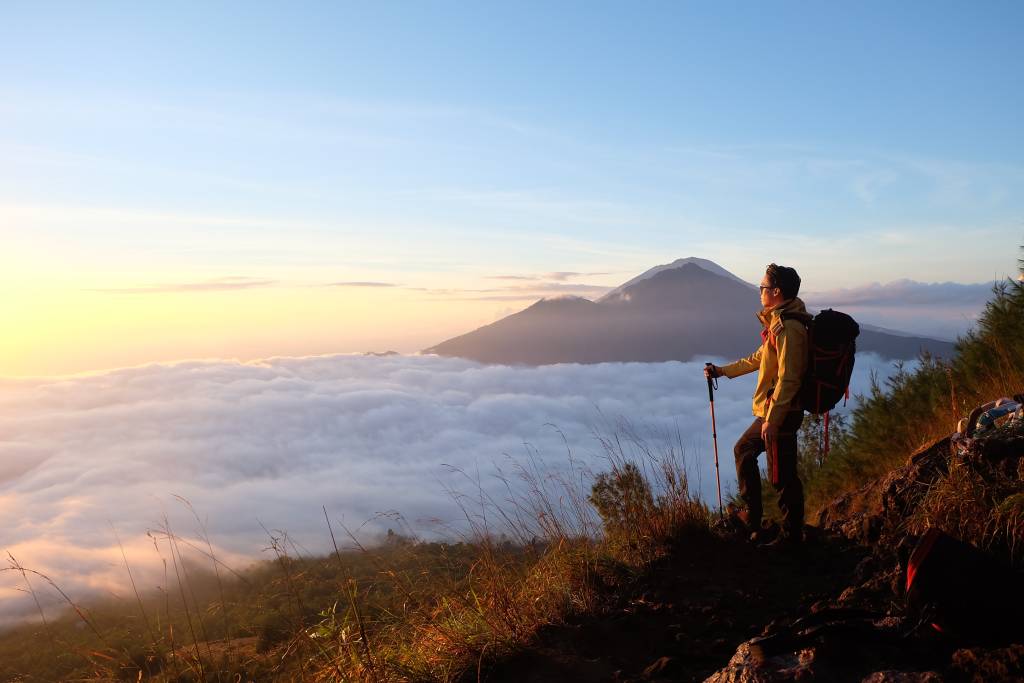
Still active today, Mount Batur’s volcanic presence serves as a powerful reminder of the earth’s energy. The ascent to the summit is more than a hike—many experience it as a pilgrimage. Reaching the top at sunrise, as light spills across the caldera and Lake Batur below, offers a moment of reflection in a place where awe, devotion, and the landscape converge.
Cradled between the soaring peaks of the Andes, Peru’s Sacred Valley has been revered since Inca times as a place where the heavens and the earth are deeply connected. The Incas built temples, terraces, and ceremonial centers throughout the valley, believing its dramatic landscape amplified spiritual energy. Sites such as the ruins of Ollantaytambo are still said to carry a palpable sense of power, resulting in a place that is felt as much as it is seen.
That spiritual connection remains alive today. Local communities continue to honor the land through ancient traditions passed down over generations, reinforcing a deep respect for nature and ancestry. The Sacred Valley has also become a hub for spiritual retreats, where travelers are welcomed to participate in ceremonies designed to clear the mind, restore balance, and encourage personal growth. Surrounded by remarkable Inca architecture and timeless mountain scenery, the valley offers a rare opportunity to slow down and reconnect in a landscape shaped by both human devotion and the forces of nature.
Rising from the red sands of Australia’s outback, Uluru has been sacred to Aboriginal peoples for tens of thousands of years. The Anangu people (separate groups from the Western desert region) are the traditional custodians, and their connection to Uluru runs deep. The monolith and surrounding land are inseparable from cultural identity, and Uluru itself is regarded as a living presence.
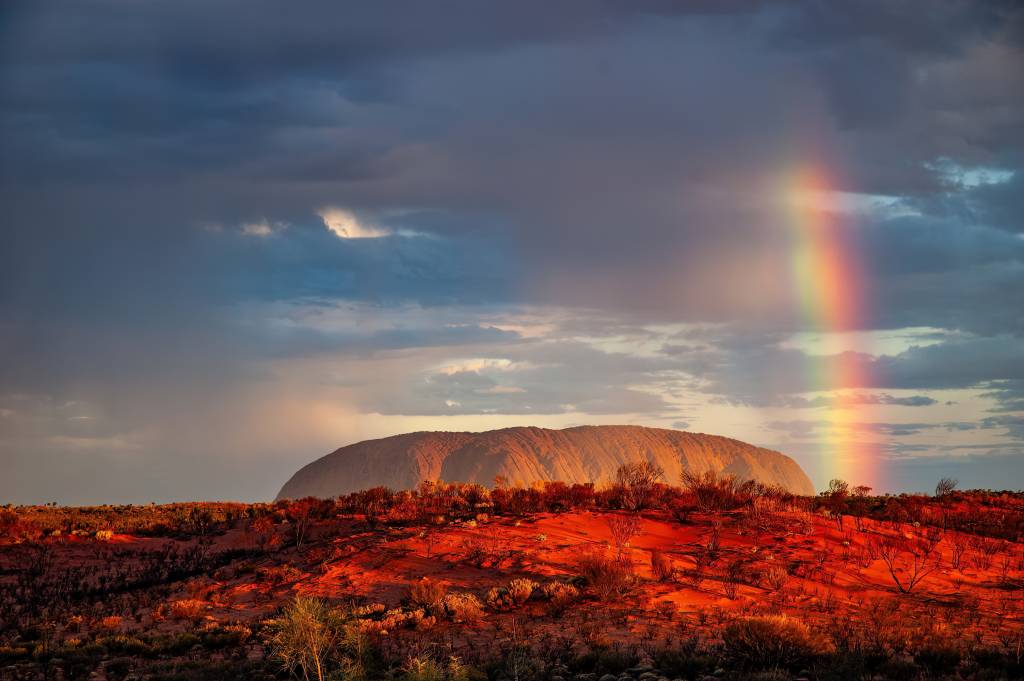
In recognition of its spiritual importance, climbing Uluru has been banned to preserve its sanctity. The caves around its base are said to hold great power, tied to ancestral narratives. A UNESCO World Heritage Site, Uluru invites visitors to walk quietly, listen, and reflect in a place where people, land, and spirit have been inseparable for millennia.
Set within the lush Huong Tich Mountains, Chùa Hương is a site where dramatic landscapes meet centuries of devotion. This complex of temples and shrines, many tucked into limestone caves, is one of Vietnam’s most important centers of Buddhism. At its heart lies Huong Tich Cave, a sacred space where nature itself forms the walls of worship.
For centuries, pilgrims have journeyed here seeking blessings, peace, and health, especially during the spring festival season, when millions travel by boat and on foot. Today, Chùa Hương offers travelers a sense of calm and contemplation, inviting reflection in a place where spiritual practice and the surrounding landscape form a perfect balance.
Often described as India’s spiritual capital, Varanasi is one of Hinduism’s seven holiest cities, where life, death, and liberation exist side by side. Set along the banks of the sacred Ganges River, the city is revered as the eternal abode of Lord Shiva and has drawn pilgrims for thousands of years. It is believed that those who die here attain moksha, or liberation from the cycle of rebirth, shaping the city’s rituals and rhythms.
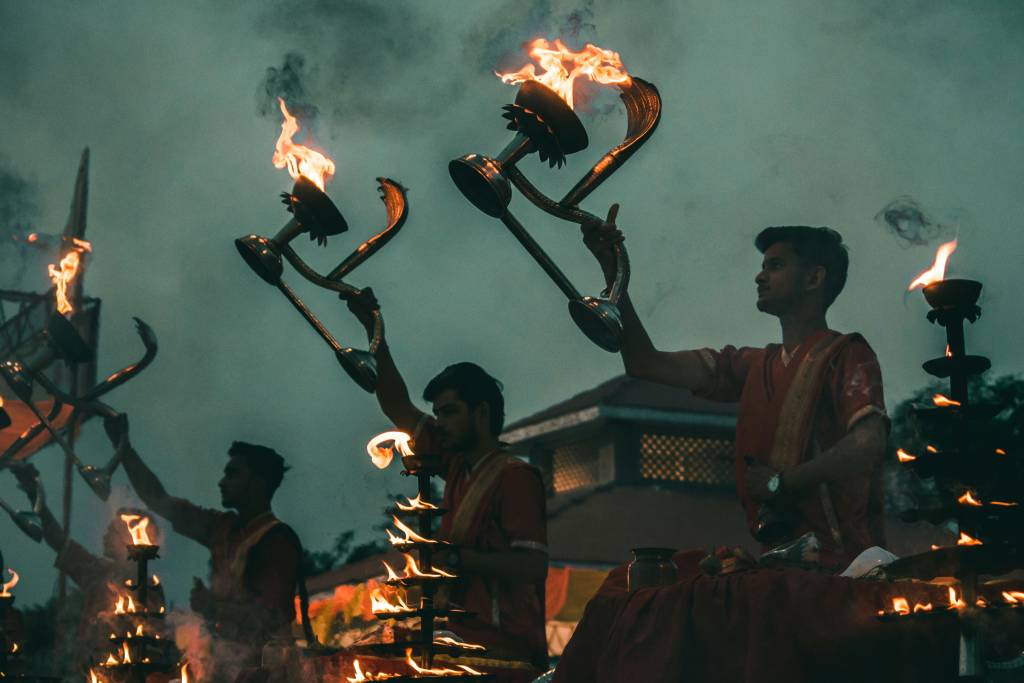
The Ganges itself is central to Varanasi’s spiritual life. Regarded as a crossing point between the physical and spiritual realms, its waters are believed to cleanse sins and renew the soul. More than 80 ghats (riverbank steps) line the Ganges, hosting bathing, prayer, and cremation ceremonies, culminating each evening in the Ganga Aarti ceremony. As one of the world’s oldest continuously inhabited cities, Varanasi has long stood as a place for visitors to seek meaning and enlightenment.
Small in size but vast in significance, Vatican City is where history, art, and spirituality converge in ways that resonate with visitors of every background. Whether arriving with deep faith or simple curiosity, centuries of devotion are evident in architecture, sculpture, and art that can move even the most secular visitor.
Built on ground marked by early Christian martyrdom in ancient Rome, the Vatican is the heart of the Catholic Church and a global center of culture. Beneath St. Peter’s Basilica lies the tomb of St. Peter, the first pope, anchoring the city in a spiritual legacy that continues to shape global history.
Standing in the Cambodian jungle, Angkor Wat is the world’s largest religious monument and one of humanity’s most ambitious spiritual creations. Built in the 12th century by King Suryavarman II as a Hindu temple dedicated to Vishnu, it later became a Buddhist site, a blend of faiths that continues today. The temple remains a living place of devotion and reverence.
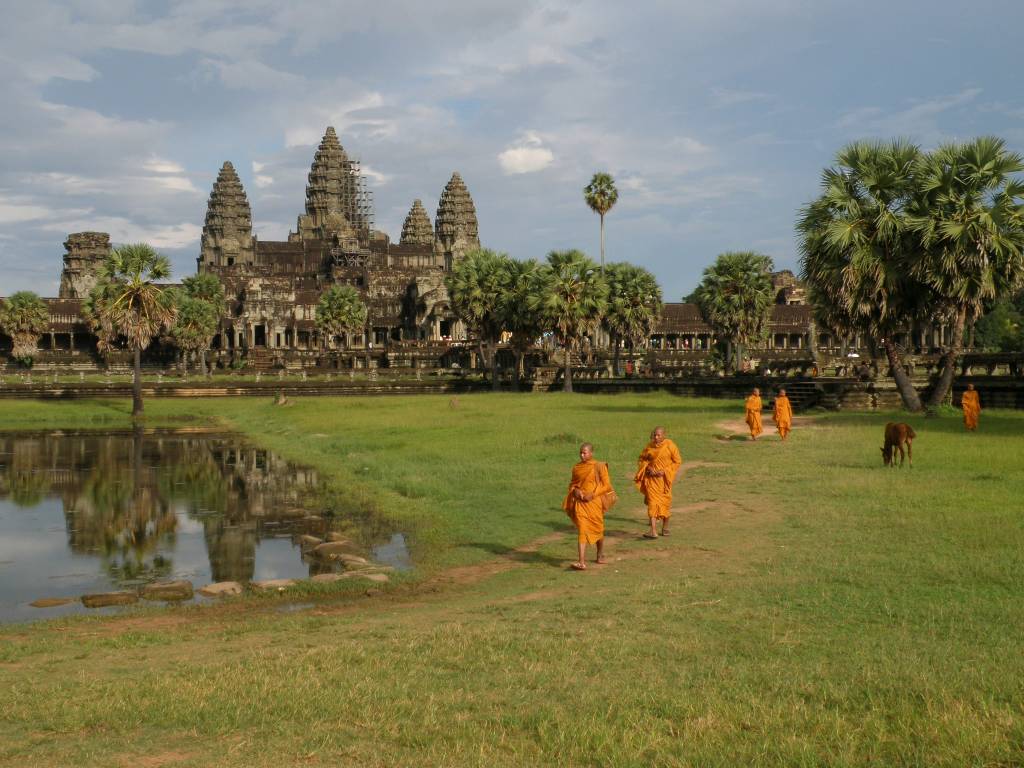
Every element is symbolic: the five central towers represent the peaks of Mount Meru, the surrounding moat evokes the cosmic ocean, and the temple’s mandala design aligns with the sun and moon, connecting earthly life to the cosmos. Many visitors report a profound sense of calm or energy here. A national symbol of Khmer identity, Angkor Wat has endured centuries of change while remaining a sacred site that inspires awe.
Luxor was the spiritual heart of ancient Egypt, a city of gods and pharaohs. Home to temples, tombs, and monumental architecture—from the vast columns of Karnak to the Avenue of the Sphinxes and the legendary Valley of the Kings—the city was designed to honor both life and what lies beyond.
Today, Luxor offers more than history. Walking among its monuments provides perspective on humanity’s quest to understand time, mortality, and the divine. For modern travelers, Luxor is not only a window into one of the world’s greatest civilizations, but a destination that encourages wonder at the forces guiding human belief for thousands of years.
Oaxaca is a region where ancient traditions remain vivid in daily life. Long before the Spanish arrived, civilizations like the Zapotecs and Mixtecs built sacred sites such as Monte Albán, demonstrating a deep understanding of the land and cosmos. These foundations continue to influence the region’s cultural identity in modern-day Mexico.
Modern Oaxaca celebrates this heritage through festivals, rituals, and communal practices that honor ancestors, food, and land. From Día de los Muertos (Day of the Dead) celebrations to local ceremonies, travelers can experience spirituality as a living, shared tradition, finding reflection and connection in a place rich with history and life.
Located on Hawai’i’s Big Island, Puʻuhonua o Hōnaunau was long a sanctuary, offering protection to those who broke ancient laws or faced defeat in battle. Refuge here meant safety, forgiveness, and spiritual renewal. The park’s centerpiece, the restored Hale o Keawe, is a heiau (temple) built to house the remains of 23 aliʻi, or chiefs, imbuing the area with concentrated spiritual energy.
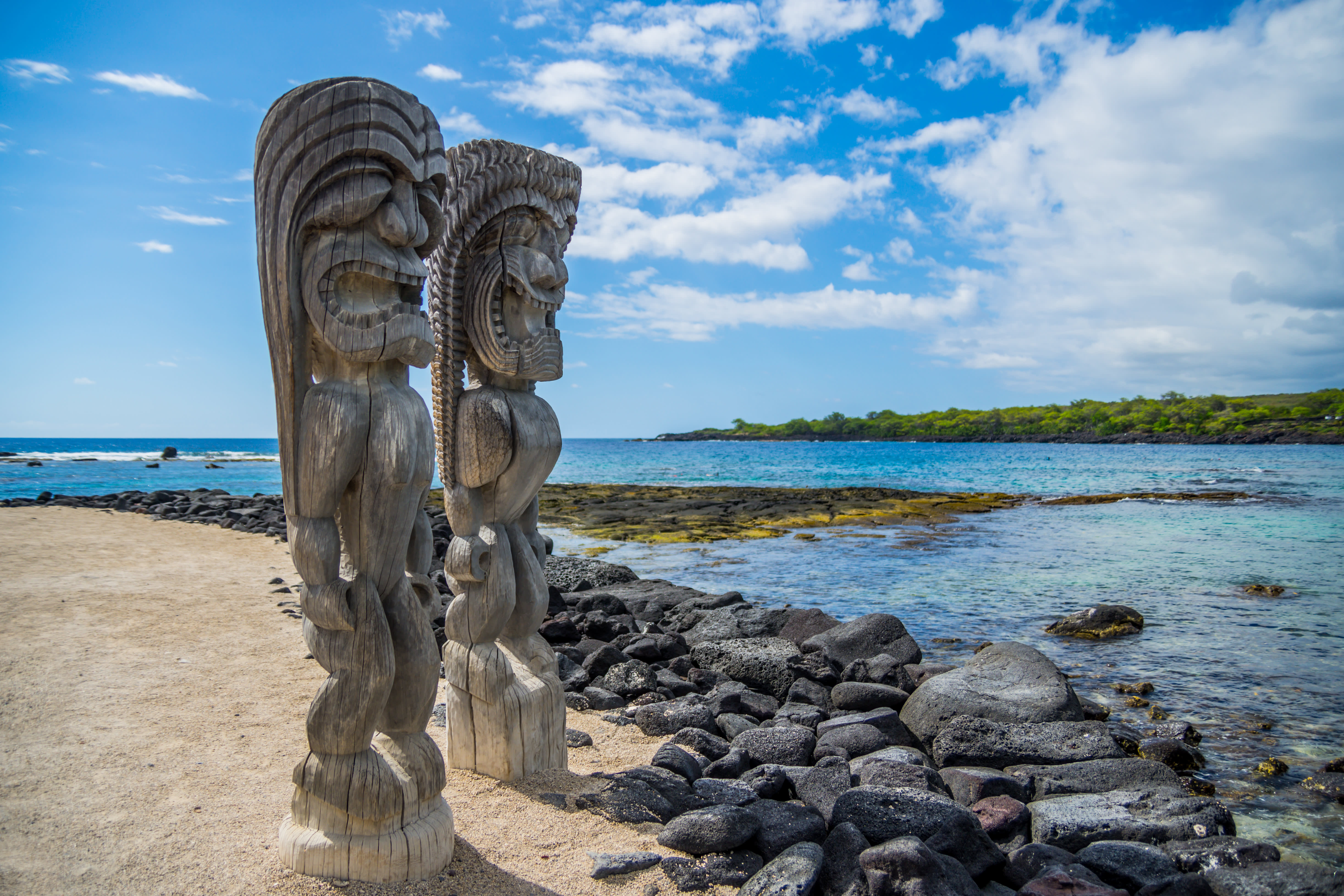
Today, the site remains important to native Hawaiians as a symbol of resilience and heritage. Visitors can walk among sacred grounds, reflect at the temple, and witness a landscape where history and spirituality converge. Puʻuhonua o Hōnaunau offers a rare opportunity to experience the enduring values of Hawaiian culture.
Travel has the power to restore, inspire, and transform. Nowhere is that more evident than in the destinations we’ve explored here. From the peaks of Bali to the banks of the Ganges, each place offers its own unique invitation to pause, reflect, and reconnect with something greater than ourselves. Whether it’s walking ancient paths, witnessing centuries-old rituals, or simply sitting in quiet awe of extraordinary landscapes, these journeys nurture the spirit in ways that linger forever.
At Enchanting Travels, we believe that a spiritual journey should be as personal as it is profound. Our travel specialists craft custom experiences that honor your intentions, blending meaningful encounters with comfort, insight, and authenticity. Wherever your path may lead — across temples, mountains, rivers, or deserts — we’ll create a journey that not only shows you the world but helps you discover yourself along the way.
The post The Top 10 Spiritual Travel Destinations appeared first on Enchanting Travels.