
Callaway’s new Quantum line of game-improvement irons have everything golfers are looking for but without the frills. The tech built into the clubs — plus a new cavity-back look — offer a friendly invitation to their target player. The cavity back gets away from the hollow-bodied look of the Elyte and Apex Ai lines.
“The reason that you have a hollow body is you can hide a lot of internal technology. You can make it look cleaner, you can make it look like a better player iron,” Zack Oakley, Callaway’s senior manager of product strategy and category management, told GOLF. “With Quantum, we wanted to signal that these are forgiving. We’re not trying to necessarily hide technology internally to make this appeal to an aspirational player.”
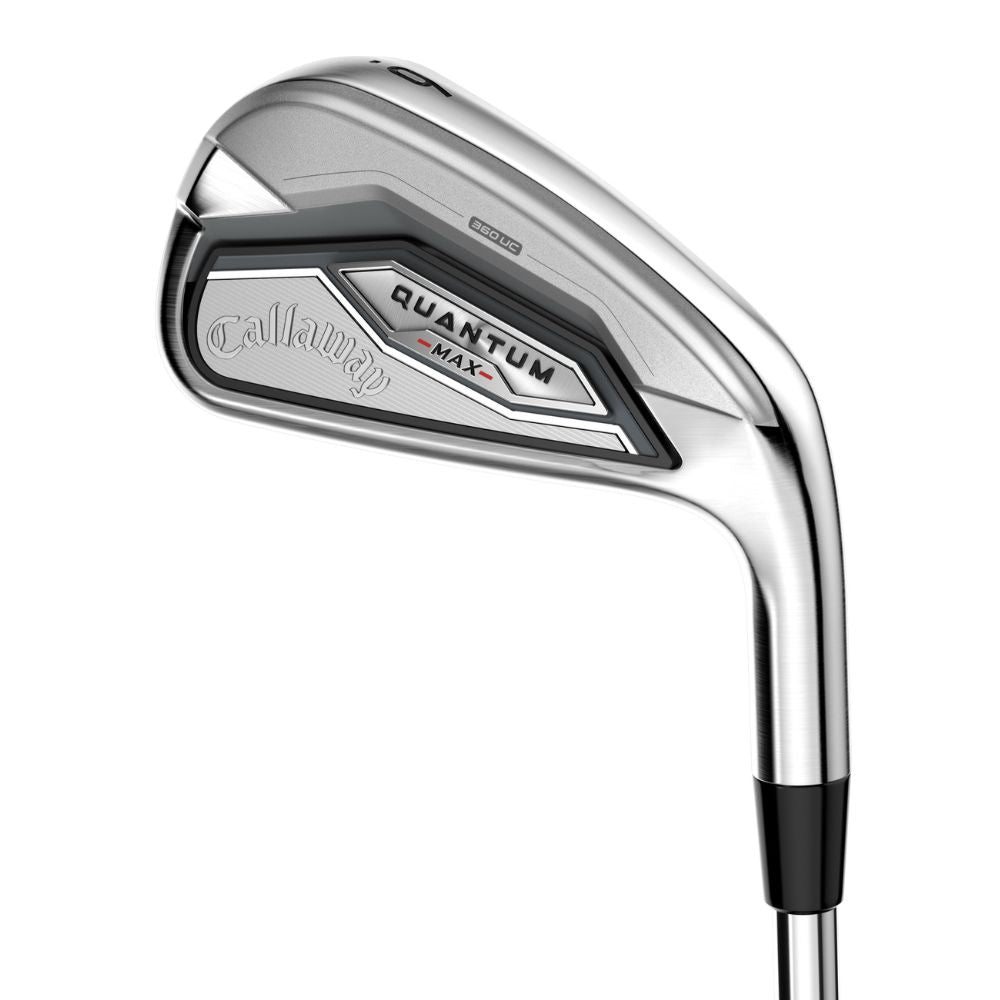
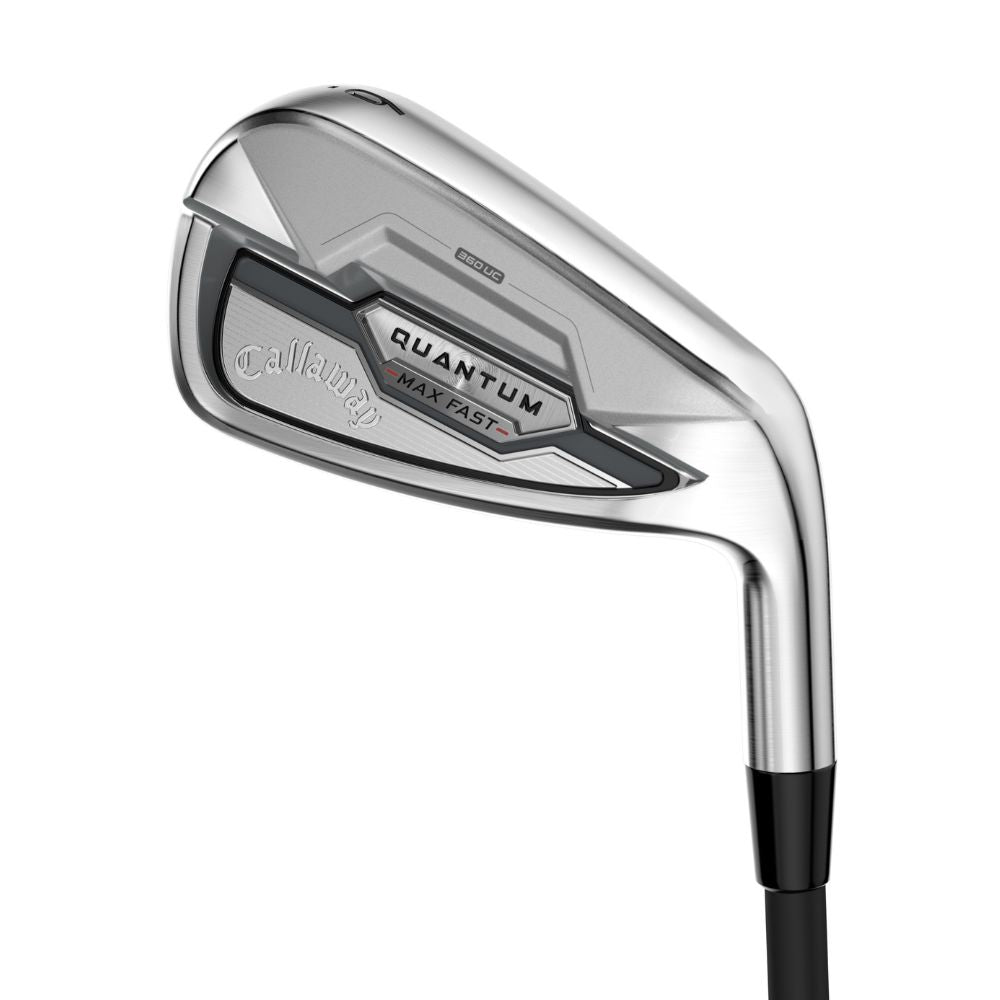
The new Quantum Max, Max OS and Max Fast irons are meant to look inviting and signal they will help golfers not only play better golf, but have more fun on the course.
Keep reading below for more on the Callaway Quantum Max, Max OS and Max Fast irons, including my take on the release.
Last year’s Elyte irons took on a hollow-bodied look that perhaps looked too good to game-improvement players who confused it for a player’s distance iron.
Callaway irons in the past have been known for their large cavities that are more inviting to higher-handicappers and beginners. There’s a reason when I think of the game-improvement iron categories, I still think of Callaway irons like the X-18 or the Diablo or Big Bertha from the 2000s.
Quantum takes that same cavity-back look and modernizes it to help the modern high-handicapper.
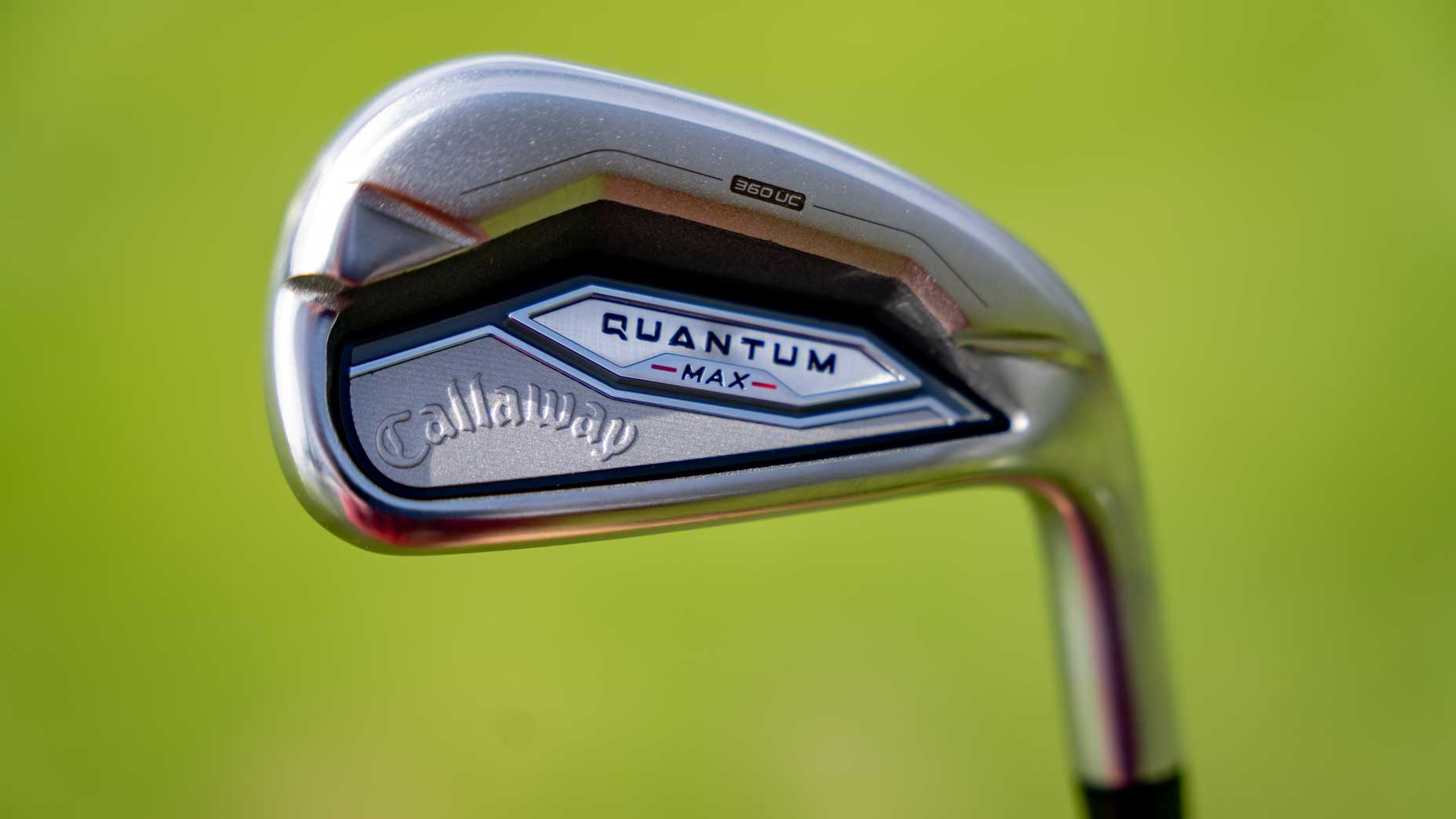
“We didn’t want to hide what this iron is. This is a cavity-back iron that’s designed to be forgiving, and the shaping reflects that. When you set it down, it should look easy to hit,” Oakley said. “This isn’t trying to be a players-distance iron. Quantum is about being approachable, forgiving, and confidence-inspiring, and the look at address needed to match that.”
The same concept is applied to the segmentation of the three models. Oakley said a goal was for the game-improvement player to look at Qunatum Max and the super-game-improvement to look at Max OS and know they are getting the right model for them. There’s little overlap.
The core technology in the Quantum Max iron lineup is a new 360˚ Undercut construction. Typically, game-improvement irons are one-piece for the face and hosel with the back piece welded on. The new 360˚ Undercut on the Quantum Max irons pushes that weld line farther back, allowing for greater sole flex and faster speeds.
“It gives us a more active face with more deflection, and you can really see the span of that deflection on the sole,” Brian Williams, Callaway’s VP of R&D, said. “It allows us to store and return a lot of energy through this face, which is helping us deliver speed and consistency off-center.”
While the iron is a cavity back, the bottom piece is still filled with urethane microspheres to dampen vibrations and improve feel.
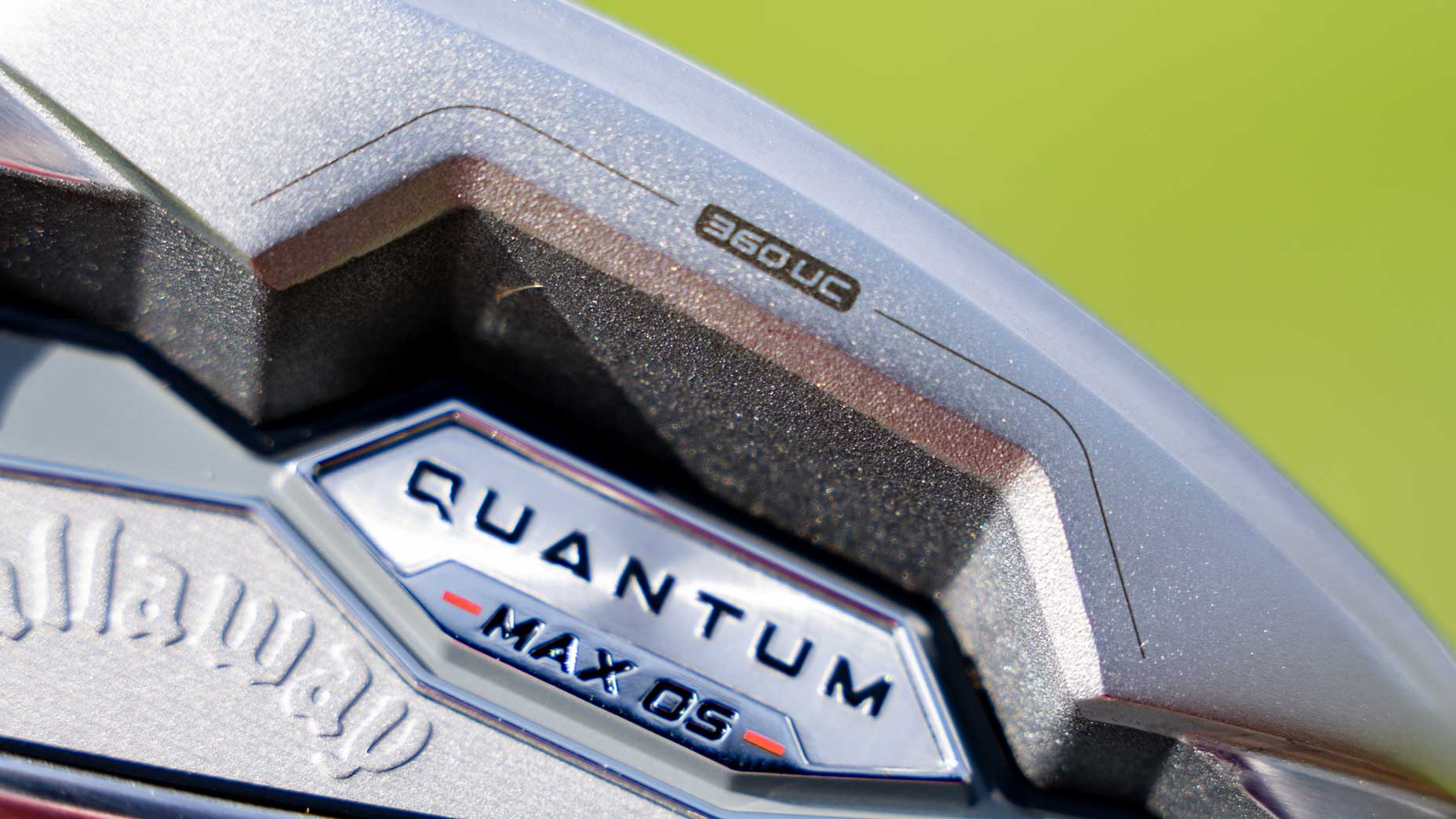
Callaway found that the player using game-improvement and super game-improvement irons is only hitting the center of the face about 20 percent of the time.
They could make the Quantum irons as fast as they want out of the center, but it doesn’t mean much if they don’t account for the other 80 percent of the time when the player misses the sweet spot.
“When we think about the Quantum line, speed is something we focused on across every single product, but it’s a little bit different with irons in the way that we’re focusing on speed,” Oakley said. “It’s not about maximizing ball speed across the face to hit it further. The biggest thing was how do we improve forgiveness across the face or speed across the face to give golfers the ability to hit more greens.”
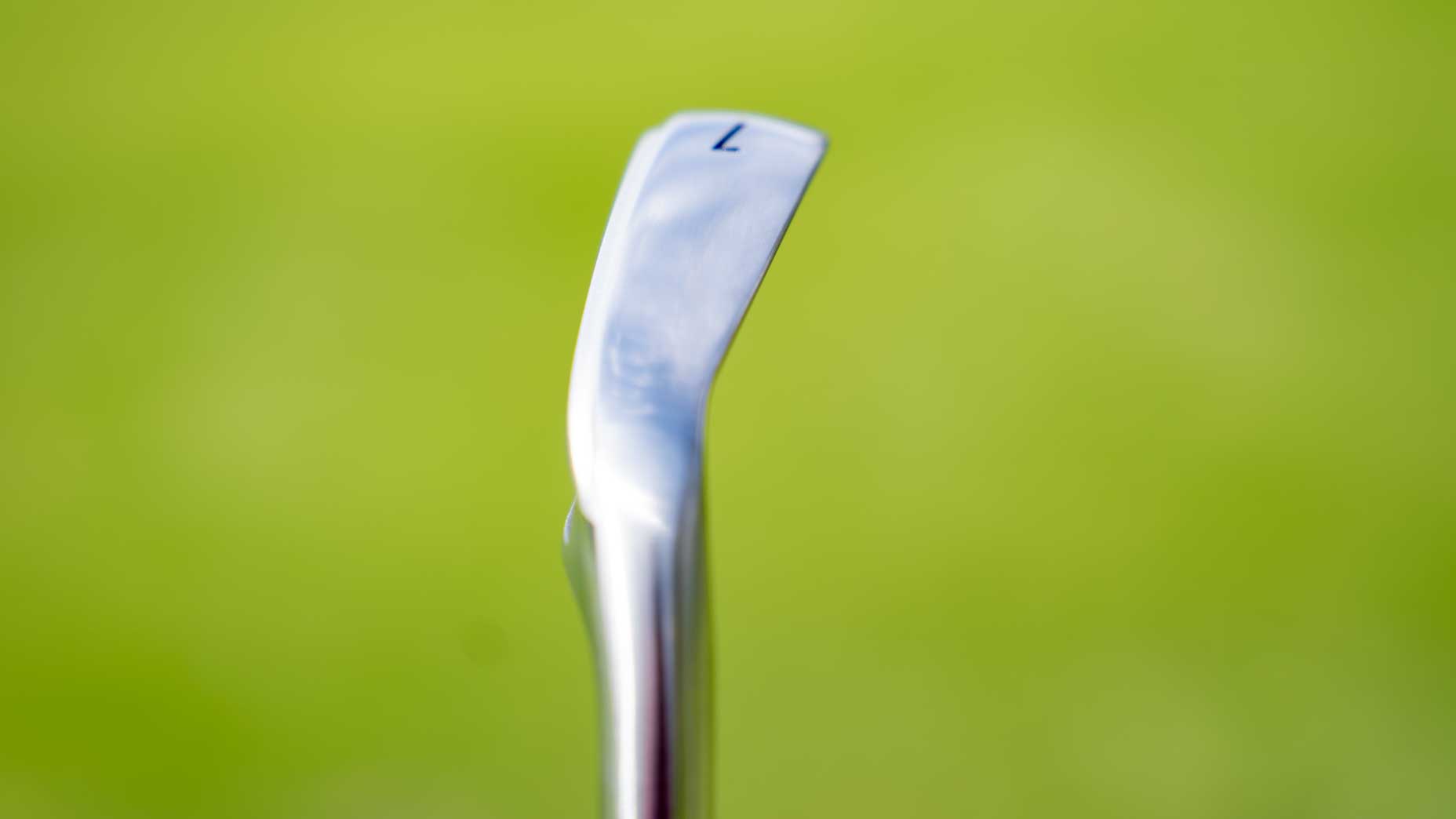
That’s where the iron construction comes in to protect against ball speed lost low on the face.
Additionally, each iron loft within each model has a unique progressive Tri-Sole design to help offer a more consistent strike and minimize ball speed loss.
There are three models and both Quantum Max and Quantum Max OS are available in an HL spec with two-degree weaker lofts.
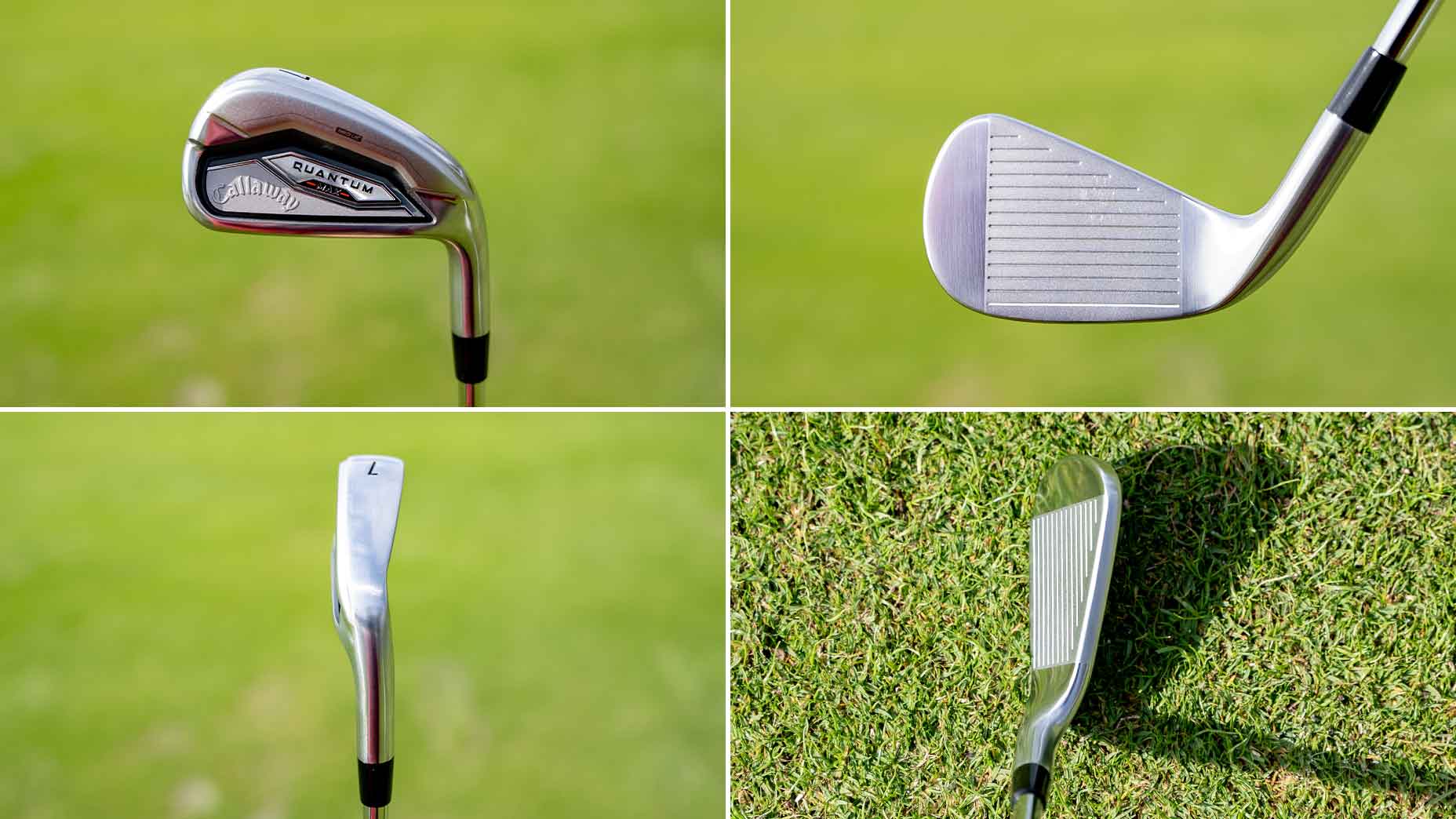
What is it: A cleaner, less bulky game-improvement iron that still offers an inviting look both from the back and address thanks to the larger topline. The Max iron is going to offer more forgiveness than a player’s distance iron, but still plenty of speed for the player looking to advance their game and hit more greens.
Who it’s for: Players looking for forgiveness and high ball speeds with their irons.
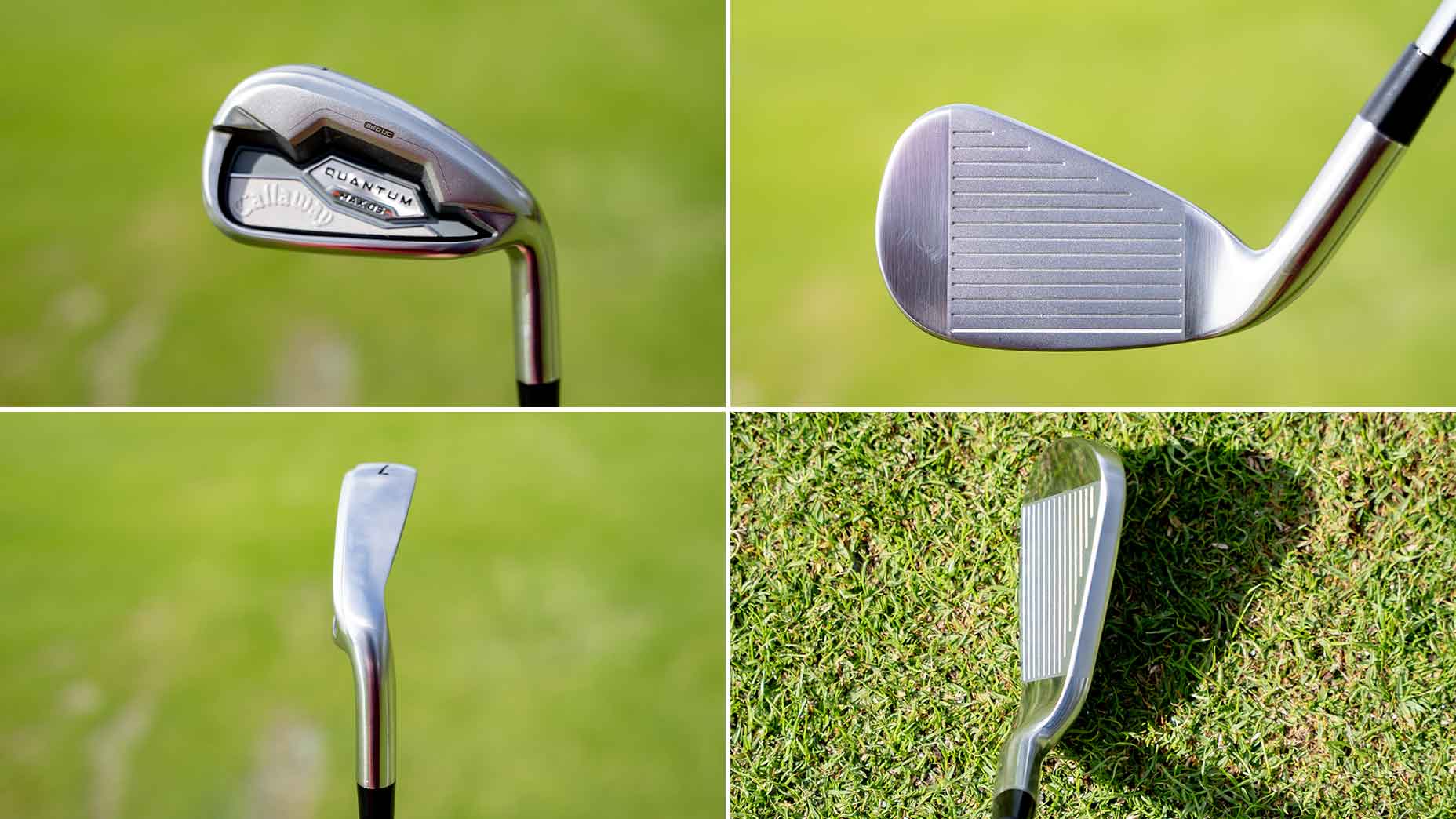
What is it: The super game improvement iron with a larger shape than the standard Max iron. Gives golfers the largest sweet spot and the most forgiveness.
Who it’s for: Beginner golfers who need as much help as they can getting the ball airborne.
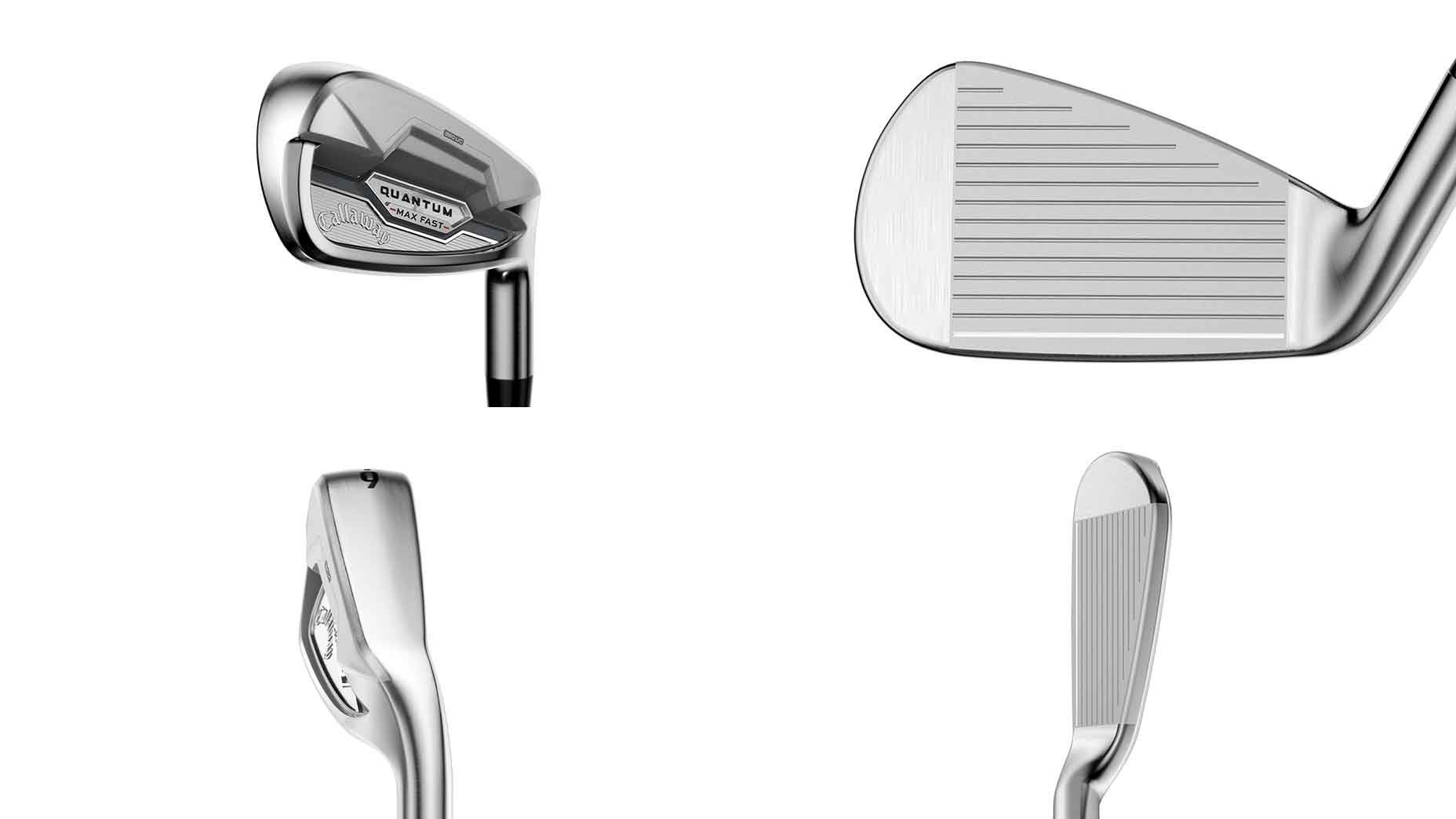
What is it: The Max Fast features a similar oversized shape to the Max OS, but in a lighter package to help players generate speed.
Who it’s for: Slower golfers who need a lighter package to generate speed and launch.
Let’s be honest — most game improvement irons are probably not purchased in a fitting bay (although they should be).
Being able to look at a game improvement and identify that it’s right for you is going to be huge for the consumer who just wants to have more fun on the course, and that’s the consumer who’s looking at buying game-improvement irons.
I thought Elyte was a fantastic-looking iron, which was probably part of the issue when it came to the intimidation factor of them. With the Quantum irons, these look like those Callaway irons from the 2000s I mentioned that are still what I picture when I think of the category.
If you’re looking for irons that are going to help you hit it solid and up in the air more often, then Callaway’s game-improvement line is a great choice.
View Product

View Product
View Product
Callaway’s new Quantum irons are available for pre-order starting Jan. 16 and will arrive at retail locations on Feb. 27.
The Max and Max OS irons will cost $164 per club for steel shafts and $178 for graphite. The Max Fast irons will cost $192 per club and are available in graphite only.
Stock lofts are below:
Quantum Max: (4i) 19, 22, 25, (7i) 29, 33, 37, (P) 42, (A) 47, (G) 51 (S) 55
Quantum Max HL: (4i) 21, 24, 27, (7i) 31, 35, 39, (P) 44, (A) 49, (G) 53 (S) 57
Quantum Max OS: (4i) 19, 22, 25, (7i) 29, 33, 37, (P) 42, (A) 47, (G) 51 (S) 55
Quantum Max OS HL: (4i) 21, 24, 27, (7i) 31, 35, 39, (P) 44, (A) 49, (G) 53 (S) 57
Quantum Max Fast: (5i) 22, 25, (7i) 28, 32, 37, (P) 42, (A) 46, (G) 50 (S) 54
Want to find the best driver for your game in 2026? Find a club-fitting location near you at True Spec Golf.
The post Callaway’s new Quantum irons inspire confidence high-handicappers seek appeared first on Golf.