
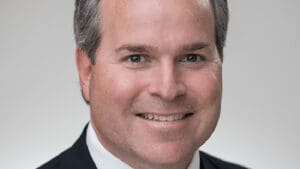
Sealy grew up in Shreveport, Louisiana, in a family closely tied to the industry. His father spent more than six decades in commercial real estate, which shaped his early understanding of the business. He attended Loyola College Prep, where he played competitive sports and reached the state football final in his senior year. That experience helped build his discipline and focus.
He later graduated from Southern Methodist University with a degree in economics and a minor in anthropology. He began his career at Colliers International as a leasing broker. There, he developed a strong foundation in deal execution, market analysis, and client relationships.
In 2000, Sealy joined Sealy & Company. Over time, he worked across construction, development, capital markets, and investment analysis. He held several senior roles, including Chief Capital Markets Officer, before moving into corporate strategy.
Today, he focuses on long-term planning, cross-functional alignment, and strategic growth. His leadership style is shaped by hands-on experience across the full business.
Outside of work, Sealy is active in community and conservation efforts. He supports organizations such as the Momentous Institute, Habitat for Humanity, and United Way. He also spends time on wildlife conservation and land management, reflecting his interest in long-term stewardship.
I grew up in Shreveport, Louisiana, in a family that was already in the real estate business. My father spent more than 60 years in the industry, following in the footsteps of his father and grandfather, so I was exposed to it early on. It was not just about business, though. It was about work ethic, accountability, and being consistent. That had a big impact on me.
I was also very involved in sports. I played football in high school, and we made it to the state final my senior year. That experience stayed with me. It teaches you discipline and how to work as part of a team.
At SMU, I studied economics with a minor in anthropology. That combination was useful. Economics gives you a framework for understanding markets. Anthropology helps you understand people and behavior. In real estate, you need both.
It also gave me time to think about what I wanted to do in the long term. I knew I wanted to be in business, but I did not want to rush into one narrow role.
I started as a leasing broker. It was a good place to begin because you learn quickly how deals actually happen. You deal with clients, you look at market data, and you have to execute.
It also teaches you that relationships matter. You can have all the data in the world, but if you cannot build trust, it is hard to move forward.
I did not want to stay in one area. I wanted to understand the full business. So I worked across different departments. Construction, development, capital markets, investment analysis.
Each role gave me a different view. Over time, that builds a more complete picture. It also helps when you make decisions later because you understand how those decisions affect different teams.
My current role is about connecting the dots. Strategy is not just one thing. It is how everything works together.
Because I have worked in different parts of the business, I can look at opportunities from multiple angles. I can think about execution, capital, and long-term impact simultaneously.
That kind of perspective only comes from experience.
Much of it focuses on evaluating opportunities and supporting long-term planning. I work with different teams across the company to align strategy and execution.
It is less about individual deals and more about the broader direction of the business. You are looking at how decisions today affect the company over time.
It is shaped by experience. When you have worked in different roles, you understand the details. You know what teams are dealing with.
That makes you more collaborative. You listen more. You try to understand before making decisions.
I also think consistency matters. You cannot just react to short-term changes. You need to stay focused on long-term goals.
I spend a lot of time outdoors. Hunting, fishing, and managing land for wildlife. It is something I care about.
Conservation is a long-term effort. You are thinking about how to preserve something over time. That mindset is similar to business in some ways.
I am also involved with organizations like the Salesmanship Club of Dallas and the Momentous Institute. Giving back is important. It keeps you connected to the community.
Experience matters. The more you understand, the better decisions you can make.
I also think it is important to stay patient. Not everything happens quickly. Building knowledge over time is what makes a difference.
And finally, you need to stay adaptable. Markets change. Industries change. You have to be able to adjust while staying grounded in what you know.
Read more:
Michael Sealy Dallas on Understanding the Business from the Ground Up