
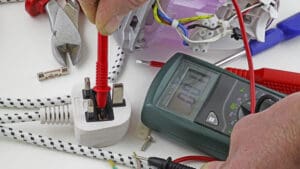
A PAT testing course in London provides delegates with the knowledge and practical skills to inspect and test portable electrical appliances to the standards required by UK law. Completing this qualification means your business can manage electrical compliance internally, reducing costs while maintaining the safety standards your insurer and the HSE expect.
The Electricity at Work Regulations 1989 require every UK employer to maintain electrical equipment in a safe condition. This applies equally to a five-person startup and a 500-person corporation. The obligation does not scale down with business size.
For SMEs, the consequences of non-compliance are proportionally more severe. A prosecution, a rejected insurance claim, or a serious workplace injury can threaten the viability of a smaller business in ways that a large corporation can absorb. According to the Health and Safety Executive, electrical faults cause thousands of workplace injuries and fires each year in the UK.
The practical reality is straightforward: every desk with a computer, every kitchen with a kettle, and every workshop with a power tool contains portable appliances that require periodic inspection and testing. Ignoring this obligation creates a liability that grows with every untested device.
The one-day course equips delegates to carry out PAT testing competently and independently. The programme covers:
Delegates leave the course qualified to test immediately. No follow-up assessments or additional certification stages are required.
The maths favouring in-house testing is clear for most SMEs.
An external PAT testing contractor typically charges £1.50 to £3.00 per appliance. An SME with 200 portable items pays £300 to £600 per annual visit. Over five years, that totals £1,500 to £3,000 for a service that a trained staff member could deliver for only the cost of their time.
Beyond direct cost savings, in-house capability provides responsiveness. When a new appliance arrives, when equipment is moved between sites, or when a staff member reports a suspected fault, your trained delegate can inspect and test immediately rather than scheduling a contractor visit.
Choosing the right person for PAT testing training matters. The ideal delegate is already responsible for facilities, health and safety, or equipment management within the organisation.
According to the Chartered Institute of Personnel and Development, investing in staff development improves retention as well as capability. The delegate gains a transferable professional skill, and the business gains a permanent compliance resource.
For SMEs watching every pound of expenditure, PAT testing training is one of the rare compliance investments that genuinely reduces costs rather than adding to them. The qualification takes one day, the equipment is affordable, and the savings compound every year that your trained team member handles testing in-house.
The legal requirement is to maintain electrical equipment in a safe condition. PAT testing is the most widely accepted method for demonstrating this compliance. While the specific testing method is not prescribed by law, it is the standard expected by the HSE and insurers.
An experienced delegate can test 100 to 200 appliances per day depending on the environment and equipment types. A typical 50-person office with 200 items requires one to two working days for comprehensive testing.
Most commercial insurance policies expect evidence of electrical equipment maintenance. Having documented PAT testing records available during claims or renewal assessments strengthens your position and demonstrates responsible management.
Yes. Many SME employees combine PAT testing with fire safety checks, risk assessments, and other compliance responsibilities. The one-day qualification adds minimal additional time commitment to an existing role.
Read more:
Should Every SME Have a PAT Testing Qualification on the Team in 2026?