Changes in body weight, pregnancy, and the natural aging process can all influence how fat is distributed and how the skin adapts over time.
While diet and exercise remain the primary strategies for maintaining overall health and body composition, some individuals find that certain areas of the body do not respond easily to lifestyle changes. In these situations, surgical body contouring procedures may be considered as part of a broader medical approach to reshaping the body.
Two procedures that are frequently discussed in this context are tummy tuck and liposuction, both of which aim to improve body contours but address different anatomical concerns. Understanding how these procedures work, what they are designed to treat, and how they differ from one another can help patients make more informed decisions when exploring treatment options.
Why Body Contouring Procedures Are Sometimes Considered
Body contouring procedures are typically explored by individuals who have experienced significant changes in their body shape. This may occur after substantial weight loss, pregnancy, or long-term fluctuations in body weight. In such cases, the skin may lose elasticity, and underlying tissues may not return to their original position even with consistent exercise.
For many patients, these structural changes involve loose abdominal skin, localized fat deposits, or weakened abdominal muscles. While physical activity can help reduce body fat overall, it cannot always correct stretched skin or separated muscles. Surgical contouring procedures are therefore sometimes considered to address these specific anatomical issues, particularly when they affect comfort, posture, or body proportions.
Tummy Tuck: Addressing Excess Skin and Muscle Separation
One commonly discussed Understanding Body Contouring: Tummy Tuck and Liposuction After Weight Changes
Changes in body weight, pregnancy, and the natural aging process can all influence how fat is distributed and how the skin adapts over time. While diet and exercise remain the primary strategies for maintaining overall health and body composition, some individuals find that certain areas of the body do not respond easily to lifestyle changes. In these situations, surgical body contouring procedures may be considered as part of a broader medical approach to reshaping the body.
Two procedures that are frequently discussed in this context are tummy tuck and liposuction, both of which aim to improve body contours but address different anatomical concerns. Understanding how these procedures work, what they are designed to treat, and how they differ from one another can help patients make more informed decisions when exploring treatment options.
Why Body Contouring Procedures Are Sometimes Considered
Body contouring procedures are typically explored by individuals who have experienced significant changes in their body shape. This may occur after substantial weight loss, pregnancy, or long-term fluctuations in body weight. In such cases, the skin may lose elasticity, and underlying tissues may not return to their original position even with consistent exercise.
For many patients, these structural changes involve loose abdominal skin, localized fat deposits, or weakened abdominal muscles. While physical activity can help reduce body fat overall, it cannot always correct stretched skin or separated muscles. Surgical contouring procedures are therefore sometimes considered to address these specific anatomical issues, particularly when they affect comfort, posture, or body proportions.
Tummy Tuck: Addressing Excess Skin and Muscle Separation
One commonly discussed body contouring procedure is tummy tuck, medically known as abdominoplasty. This operation focuses primarily on the abdominal region and is designed to remove excess skin while tightening the underlying abdominal muscles. It is often considered by individuals who have experienced major weight loss or pregnancy, both of which can stretch the abdominal wall.
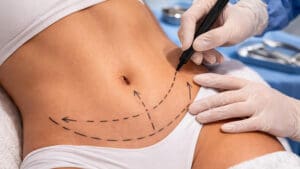
During a tummy tuck procedure, surgeons typically create an incision along the lower abdomen, allowing access to the underlying muscle layer. The abdominal muscles may be repaired or tightened, and loose skin is removed before the remaining skin is repositioned to create a smoother contour. While tummy tuck surgery can reshape the abdominal area, it is not intended as a weight-loss procedure but rather as a reconstructive body contouring approach.
Liposuction: Targeting Localized Fat Deposits
Another widely performed contouring technique is liposuction, which focuses on removing localized fat deposits that are resistant to diet and exercise. Unlike tummy tuck surgery, liposuction does not primarily address loose skin or muscle separation. Instead, it works by extracting fat cells from specific areas of the body using small surgical instruments and suction techniques.
Liposuction can be performed on various regions, including the abdomen, flanks, thighs, hips, and sometimes the arms or chin. Through small incisions, a thin tube called a cannula is inserted beneath the skin to break up and remove fat tissue. Because the procedure targets fat distribution rather than skin laxity, liposuction is often considered for individuals whose skin elasticity remains relatively intact but who have persistent fat pockets in certain areas.
How Tummy Tuck and Liposuction Differ
Although tummy tuck and liposuction are sometimes mentioned together, they address different structural concerns within the body. A tummy tuck primarily focuses on excess skin and weakened abdominal muscles, while liposuction targets fat deposits beneath the skin. For this reason, the two procedures are not interchangeable and may be recommended for different patient needs.
In some clinical cases, both procedures may be discussed together as part of a broader body contouring plan, particularly when individuals have both loose skin and localized fat deposits. During the research phase, patients often explore medical information platforms such as Medelysium, where different procedures and treatment approaches are explained in more detail. Understanding the anatomical differences between these treatments is important when evaluating which procedure may be appropriate.
Recovery and Long-Term Considerations
Recovery experiences vary depending on the procedure performed and the extent of the treatment. After tummy tuck surgery, patients generally require a longer recovery period because the operation involves both skin removal and muscle repair. Temporary swelling, bruising, and limited mobility in the abdominal region are common during the early healing phase.
Liposuction recovery tends to be somewhat shorter in many cases, though swelling and fluid retention may still occur for several weeks. Compression garments are frequently recommended to support healing and help the treated areas adjust to their new contours. In both procedures, maintaining stable body weight and healthy lifestyle habits plays an important role in preserving long-term results.
Growing Interest in Medical Procedures Abroad
In recent years, some patients from the United States, United Kingdom, and other European countries have explored the possibility of undergoing certain medical procedures outside their home countries. This trend has developed for various reasons, including differences in waiting times, treatment availability, and the presence of internationally experienced surgeons in some destinations.
Among the countries that patients sometimes research for procedures such as tummy tuck or liposuction is Turkey, which has developed a visible presence in international medical travel discussions. As with any healthcare decision, individuals typically evaluate factors such as surgeon qualifications, hospital accreditation, and postoperative care arrangements when considering treatment in another country.
Conclusion
Body contouring procedures such as tummy tuck and liposuction address different structural aspects of body shape and are designed to treat specific anatomical concerns. While tummy tuck focuses on tightening abdominal muscles and removing excess skin, liposuction primarily targets localized fat deposits that are resistant to lifestyle changes.
Read more:
Understanding Body Contouring: Tummy Tuck and Liposuction After Weight Changes