
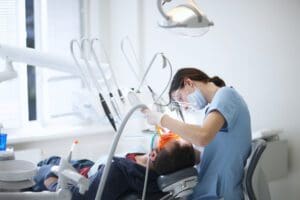
Much of this progress comes from advances in dental techniques and technology, which now support safer, more comfortable care at every stage.
Modern dental practices like Foxley Lane Dental use advanced tools alongside clinical experience to support personalised treatment. Understanding how these approaches work can help you feel more informed and confident when making decisions about your oral health. Patients often worry about treatment costs, and understanding information around treatments such as cavity filling cost or root canal treatment can help support open, informed conversations with your dentist.
Dentistry has gradually moved away from a reactive approach towards one focused on early assessment, careful planning, and prevention. Digital systems now support diagnosis, record keeping, and treatment discussions, helping appointments run smoothly and allowing patients to better understand their oral health.
High-quality imaging and scanning tools give dentists clearer views of teeth and supporting structures. This often means problems can be identified earlier, when treatment is simpler and less invasive. Technology does not replace clinical judgement, but supports dentists in making considered decisions tailored to each patient.
Dental implants are one option used to replace missing teeth. They involve placing a small titanium fixture into the jaw, which can support a crown, bridge, or denture once healed.
Implant treatment requires careful assessment and planning, often supported by detailed imaging. Your dentist will always consider overall oral health, bone levels, and individual circumstances before recommending whether implants are suitable for you.
Root canal treatment is used to manage infection inside a tooth and preserve the natural structure where possible. Modern methods and equipment allow dentists to clean and seal the tooth more accurately, helping reduce discomfort during and after treatment.
Local anaesthetic is used to support comfort, and your dentist will talk you through each stage so you know what to expect. The aim is always to relieve pain, protect the tooth, and restore normal function.
Crowns and bridges are commonly used to restore damaged or missing teeth. Digital scanning and planning tools now allow restorations to be designed with a high level of accuracy, helping them fit comfortably and blend naturally with surrounding teeth.
In some cases, same-day crown systems are available. Your dentist will advise whether this approach is appropriate based on the tooth being treated and your overall dental health.
Professional teeth whitening is a popular option for patients looking to refresh their smile. Treatment is planned and monitored by a dentist to support safety and even results.
Your dentist will assess your teeth and gums first, explain realistic outcomes, and help you decide whether whitening is suitable for you.
Veneers are thin coverings placed over the front of teeth to address concerns such as chips, discolouration, or uneven edges. Digital planning tools may be used to help visualise potential changes and guide careful treatment decisions.
As with all cosmetic treatments, suitability varies from person to person and should be discussed fully with your dentist.
Clear aligner systems are used to gently guide teeth into a new position over time. Aligners are custom-made and reviewed regularly to ensure progress remains on track.
Your dentist or orthodontic provider will advise whether aligners are appropriate for your needs and explain the expected commitment involved.
Preventive dentistry remains the foundation of long-term oral health. Digital X-rays, intraoral cameras, and detailed examinations help dentists monitor changes over time and spot concerns early.
Professional hygiene treatments may use ultrasonic instruments and tailored advice to support gum health and reduce plaque build-up. Personalised care plans are often based on lifestyle, medical history, and individual risk factors.
When dental problems arise unexpectedly, prompt assessment helps reduce discomfort and prevent complications. Many modern practices aim to offer timely appointments for urgent concerns, supported by efficient diagnostics and clear treatment planning.
Pain relief and treatment options are always discussed carefully, with your comfort and safety at the centre of care.
A modern dental practice combines up-to-date equipment with experienced clinicians and a patient-focused approach. Clear communication, thoughtful use of technology, and honest discussions about options all support positive experiences.
If you are exploring dental care locally, it is reasonable to ask how technology is used to support diagnosis and treatment, and how decisions are tailored to individual needs.
Dental treatments continue to evolve, but the focus remains the same: providing safe, comfortable care that supports long-term oral health and confidence.
Read more:
Modern dental treatments: Advanced care options available locally