If you know golf, you understand that a dream trip to Scotland demands the logistical instincts of a wedding planner and the budget to match. Tee times book 18 months ahead. Multi-course itineraries are choreographed to the minute. Hotels and transport are locked in before the first ball is launched. Golf tourism is big business, and to play the headline layouts in the birthplace of the game, you work within the system and spend accordingly.
At Lybster Golf Club, you can forget all of that.
The nine-hole course sits in a Highlands village of the same name, about an hour up the coast from Royal Dornoch, on a path few visiting golfers ply. Salt spray drifts in from the harbor, once teeming with trawlers when Lybster had one of Scotland’s largest herring fisheries. The herring are long gone, and most of the boats with them. But the local course, which marks its centennial this year, remains largely unchanged.
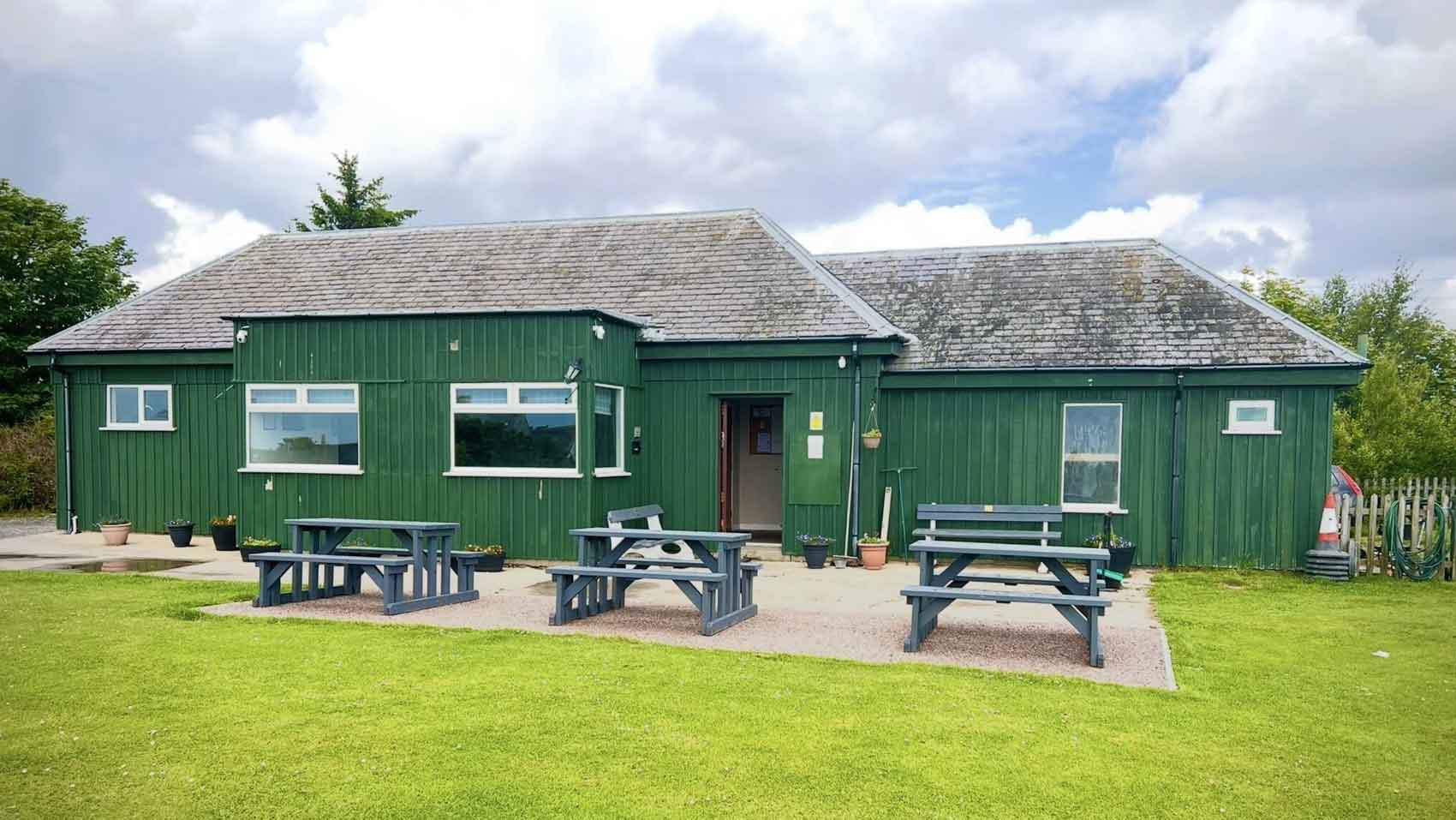
There’s an honor system pay box and a clubhouse but no pro shop because there are no employees. Locals volunteer their time, tending bunkers and mowing grass. If you’d like a cup of coffee, feel free to fix yourself one in the kitchen. Need rental clubs? Lybster’s got those, too, though you don’t really “rent” them. The club will loan you a set at no cost.
This is the course Magnus Ryrie grew up on, and the one he’d like to help preserve.
Born and raised in Lybster, Ryrie picked up the game at 9, using a hand-me-down set of hickories from his father, a former fisherman who became a policeman as the fisheries dwindled. As a kid, he played every Saturday and Sunday afternoon but steered clear of Saturday mornings because that’s when “the old men” returned from sea to tee it up.
“And by ‘old men’, I mean they were probably 24 or 25,” Ryrie says.
Ryrie left the village at 18, part of an exodus of young Highlanders seeking work, and carved out a career in the semiconductor business, a path that took him around the UK and Ireland, and on to Arizona for a year. He loved the desert golf there, though it was no more similar to his childhood course than soccer in the UK is to the NFL. He and his wife retired to Lybster five years ago, and he became club secretary a few years after that.
The course he helps look after won’t beat you down with length, tipping out at just over 2,000 yards, with par-3s and -4s and no par-5s but with North Sea views on every hole and a rich assortment of shotmaking demands. The wind can wreak havoc. Local knowledge counts.
Lybster’s logo is a train engine, puffing smoke, a nod to a bygone railway line that once ferried herring to wider markets. As roads improved, the railway fell into disuse, but the path it cut through the course endures, serving a strategic role. Several holes play across it. The clubhouse building is the old train terminal. The former railway turntable makes up the tiny practice grounds.
Lybster is golf in its stripped-down form, a strain of the game that sends purists into fits of reverie and delights anyone who happens upon it. It’s a community hub, and an outlet for golf’s great gifts: fresh air, exercise and fellowship. Like the game itself, the course accommodates the span of a lifetime. Some of those “old men” Ryrie used to steer clear of on Saturdays remain members, and a newly launched junior program now counts 20 participants, a larger number than it sounds when you consider that the entire membership is just 100 people.
Everything at Lybster runs to scale. A day pass costs £30, for locals and visitors alike. There’s no price gouging of out-of-towners, no tiered rate structure, no surge pricing for summer weekends. Leave your cash in the box — in a concession to modernity, you can also swipe a credit card — and you play as long as you like.
Lybster will mark its centennial without the pageantry and fanfare that often attends such occasions elsewhere. Celebrations will be in character instead, with a couple of low-key tournaments in June, and a merchandise release later this year, with caps, ball markers and head covers.
Still, the club is using the milestone to quietly spread the word about what it offers. There’s a modest request for donations on the website, and an invitation to join as an overseas member for £120 (or about $165). The goal isn’t to increase revenue by raising prices; it’s to attract more golfers. In 2023, the club welcomed 220 visitors. In 2025, that figure nearly doubled. The club isn’t looking to make money, Ryrie says, just to break even. Funds raised will go toward improving the practice grounds where the juniors hone their games, and to upgrade the clubhouse with insulation and a few other creature comforts.
The effort to draw more attention to Lybster is part of what Ryrie describes as a broader push for “slow tourism” in the Highlands: coaxing travelers to pause mid-journey on the North Coast 500, Scotland’s famous coastal route, and stretch a day-and-a-half sprint into a four- or five-day stay. There are worse places to linger than a village of 600 people with scenery galore and a golf course that offers much more than it asks.
No advance planning required. No proof of membership. At Scotland’s grand cathedral courses, you book a year ahead and pay handsomely.
At Lybster, you just show up.
The post This Scotland course is everything golf should be (and you can join for $165) appeared first on Golf.