
When you have a product that's generally deemed to be the best in its class, it can sometimes be hard to think of ways to make it better. But in the case of the Maxwell planar magnetic gaming headset, Audeze has given it 16 "community inspired" improvements and just as importantly, rolled out a fresh new app for all its audio gear.
Naturally, the new version has a simple moniker, the Maxwell 2, and a cursory glance through the spec sheets shows that Audeze has kept the fundamentals very much the same as the first iteration. Which is a very good thing, as the original Maxwell headset is outstanding, and there's been nothing to beat it as the best for gaming audiophiles since it launched two years ago.
Meet Maxwell 2 — elevate your game with industry-leading audio, upgraded ergonomics, and AI-powered microphones. Shipping now. pic.twitter.com/Cfe5f1pWSbJanuary 5, 2026
The Maxwell 2 sports the same 90 mm planar magnetic transducers (aka drivers), Fluxor array of magnets, and Fazor audio phase management system. Even the 1800 mAh battery is identical. However, the weight has increased from 490 to 560 g, so something has clearly been added.
Almost all of that additional weight will be the introduction of Audeze's SLAM or Symmetric Linear Acoustic Modulator. We first came across this in the LCD-S20 headset, and it's essentially a physical system of channels to improve the bass response and overall balance of the audio.
If you carefully compare the two Maxwell models, you'll also spot some of the other changes: the ear cup backs now sport a small degree of porting (possibly to help make the bass response more punchy) and the headstrap is now vented (ported!) to stop your nogging from overheating in a long gaming session. Lastly, you can now customise the ear cups with different magnetically-attached skins.
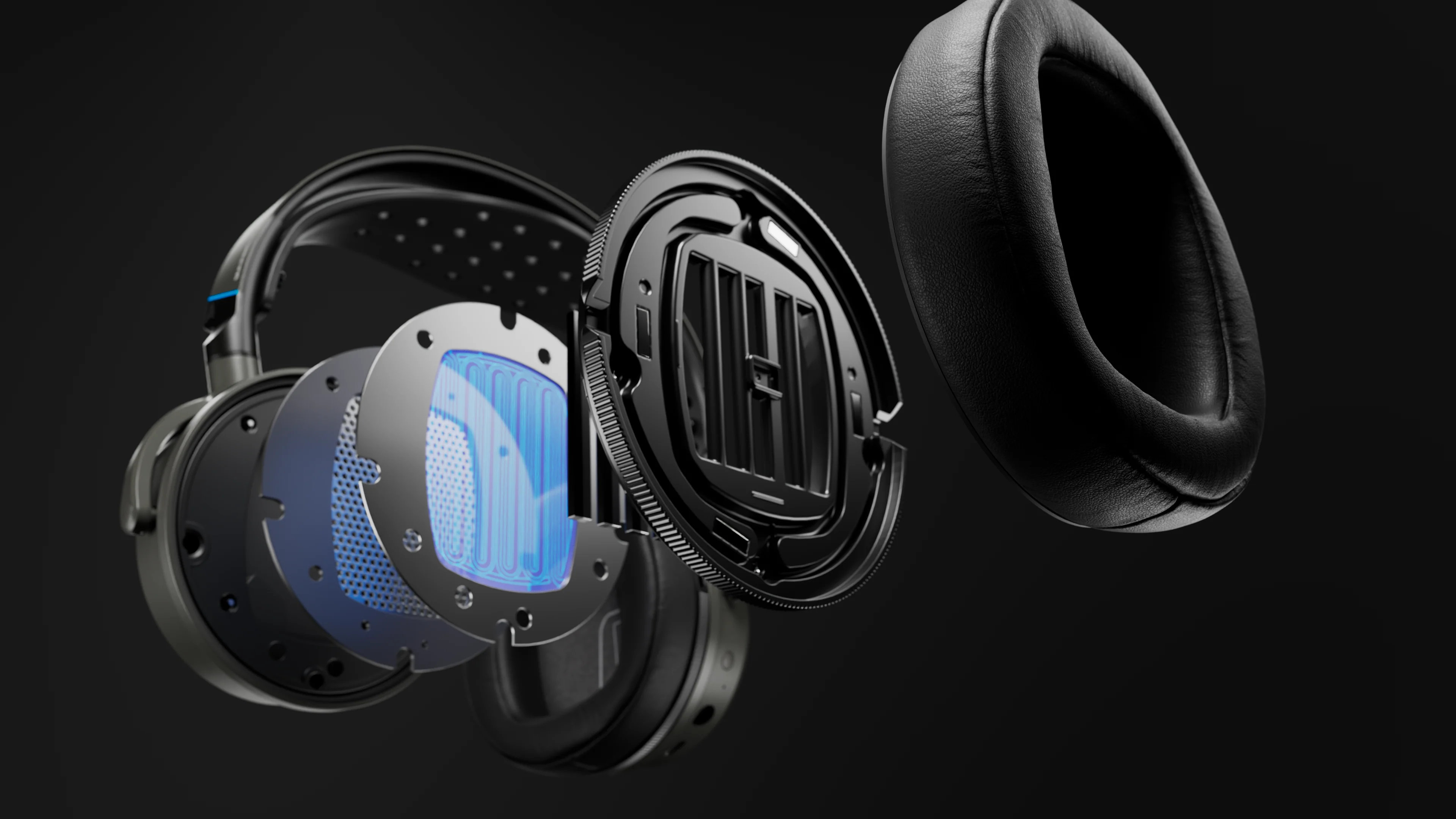
But inside the Maxwell 2, there are numerous little improvements, too. For example, the microphone now has double the bandwidth for better voice quality, sound spatial precision and the AI noise removal system are better (how much so isn't clear), and Bluetooth Auracast is now supported. Alas, simultaneous BT connections are still missing.
I've been using the Audeze Maxwell for work and gaming, every single day, for nearly a year now, and truth be told, I only wanted one thing to be improved: the god-awful software. Sure, it worked, but it was very clunky and looked like it had been cobbled together late on a Friday afternoon, 20 years ago.

Catch up with CES 2026: We're on the ground in sunny Las Vegas covering all the latest announcements from some of the biggest names in tech, including Nvidia, AMD, Intel, Asus, Razer, MSI and more.
Well, butter my breadsticks because Audeze has also released a new app to replace it and while it doesn't appear to bring any new functionality, it's a proper, modern piece of software. The UI is crisp and clear, and it's much faster than the old one.
However, there are still some elements of the old wonkiness, as plugging in my Maxwell headset via USB causes the app to have a bit of a fit between the cable, the dongle, and not knowing whether anything's actually connected or not. Still plenty of work to do here, Audeze.
When we manage to get our hands on the Maxwell 2 for review (and it'll be a stand-up fight between me and our hardware overlord Dave, as to whose sticky mitts and ears will be testing it), we'll let you know what, if any, of those improvements are meaningful to you.
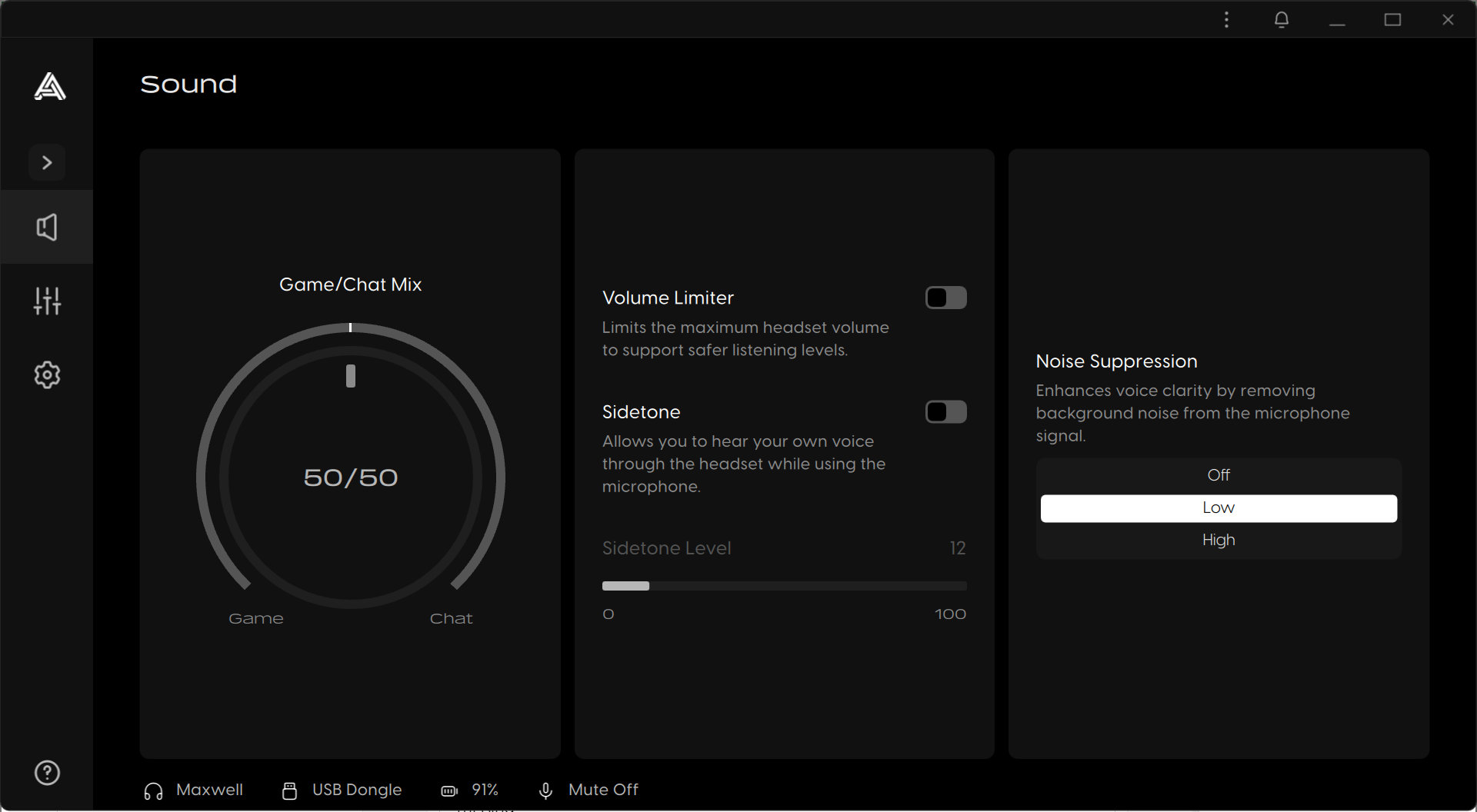
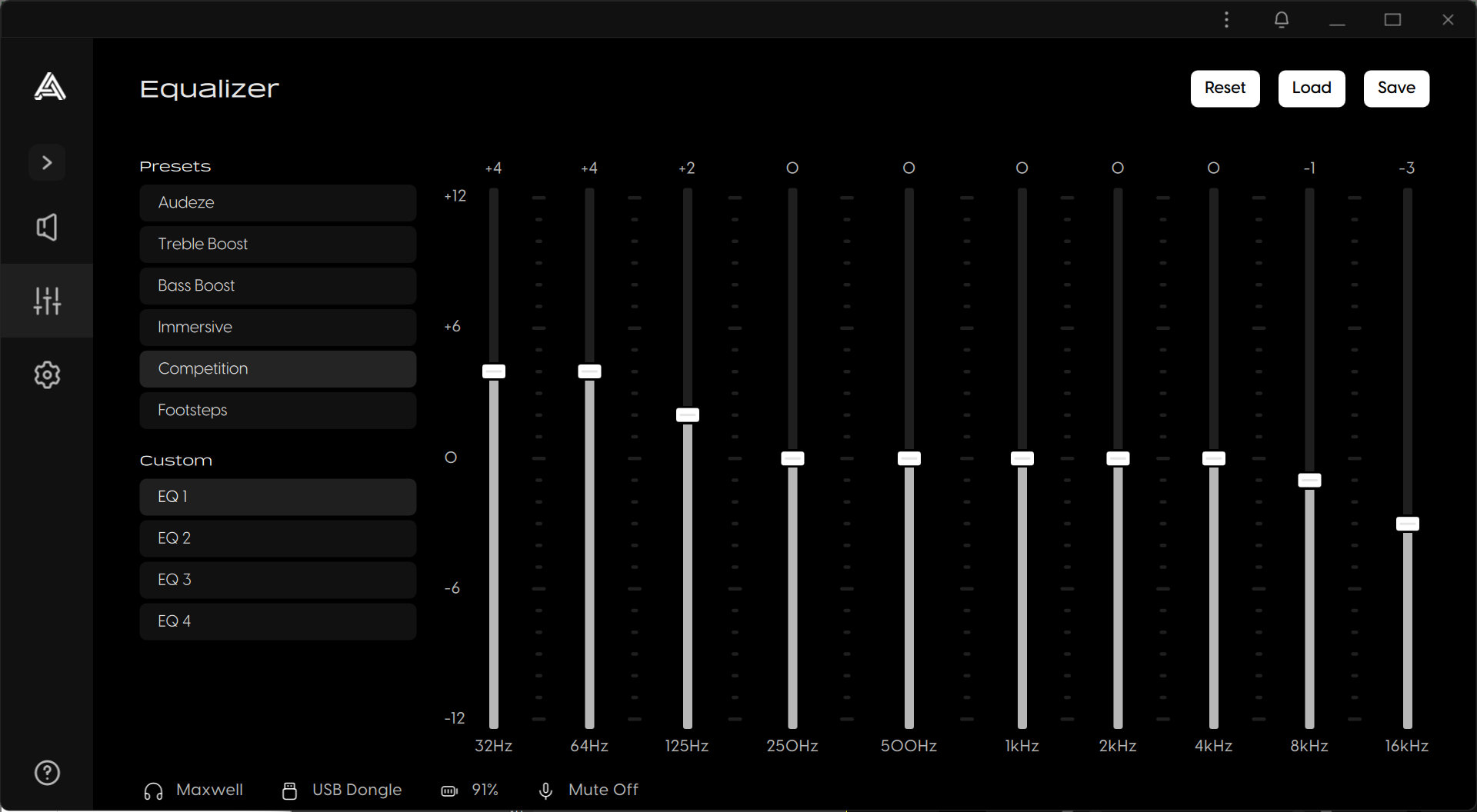
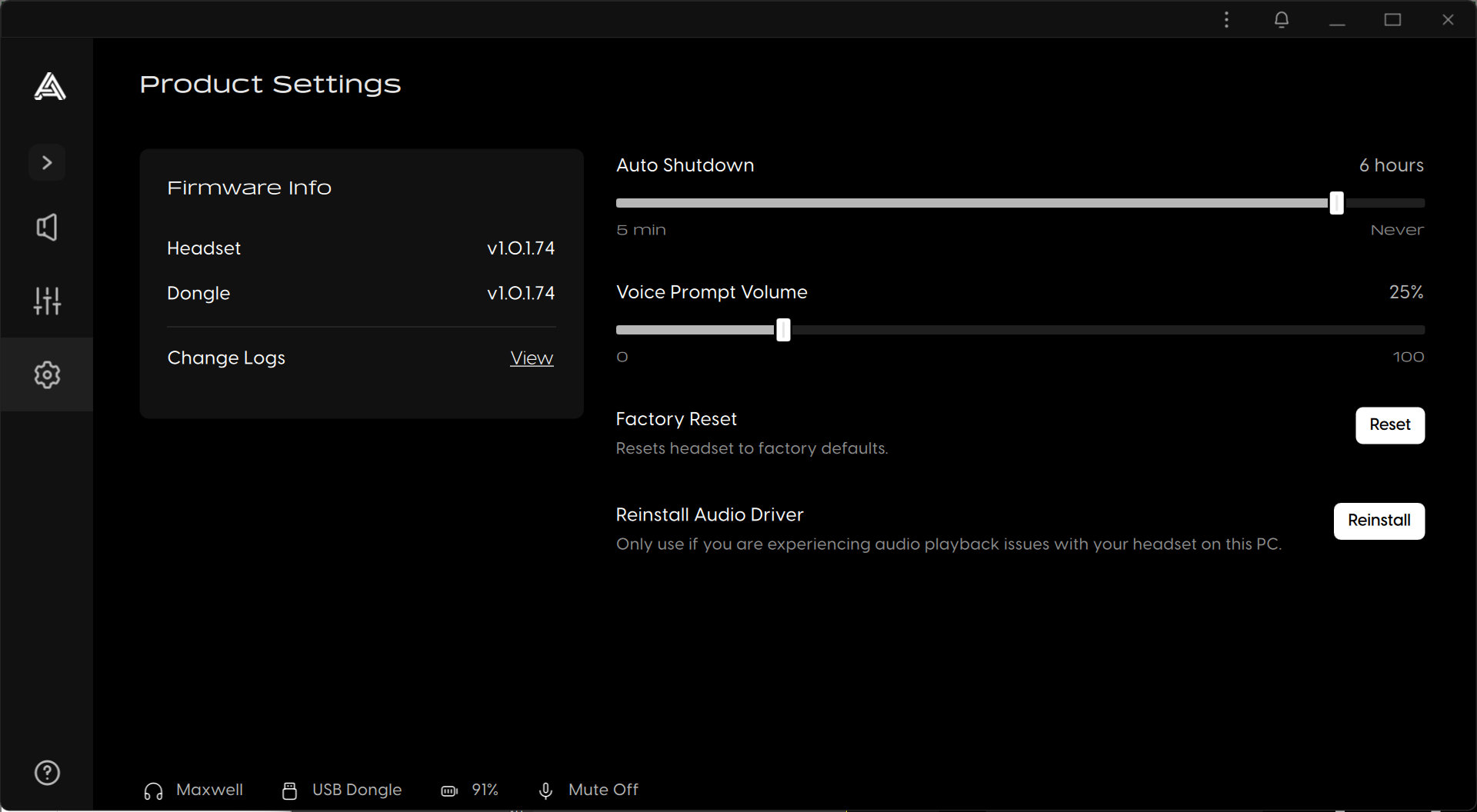
The PlayStation version of the Audeze Maxwell 2 costs $329 and is available right now, whereas there's a 2-3 weeks shipping delay with the Xbox version ($349) due to "a regulatory issue". As to the price difference, that's down to the fact that the latter comes with a Dolby Atmos license for the spatial sound stuff, whereas the PlayStation one uses Sony's own Tempest 3D tech.