
As it progressed, I increasingly came to think of 2025 as 'the year of headlines you'd normally read in newspapers in Deus Ex'. "America is now one big bet on AI," read a piece in the FT. "CoreWeave’s Staggering Fall From Market Grace Highlights AI Bubble Fears," fretted the WSJ. "Google CEO's warning about the AI bubble bursting: 'No company is going to be immune, including us'," squawks some weird mag called PC Gamer.
People have been muttering about an AI bubble since the tech first started worming its way into every device in our lives, but is it just me, or does it feel like even the imperforate auras of delusion that surround the world's tech CEOs have started to weaken lately? It's no longer just wild-eyed street prophets (I mean that with affection, Ed Zitron) foretelling doom; even the smoothest brains in the C-suite are beginning to eye one another nervously, quietly praying they're not the ones left holding the bag.
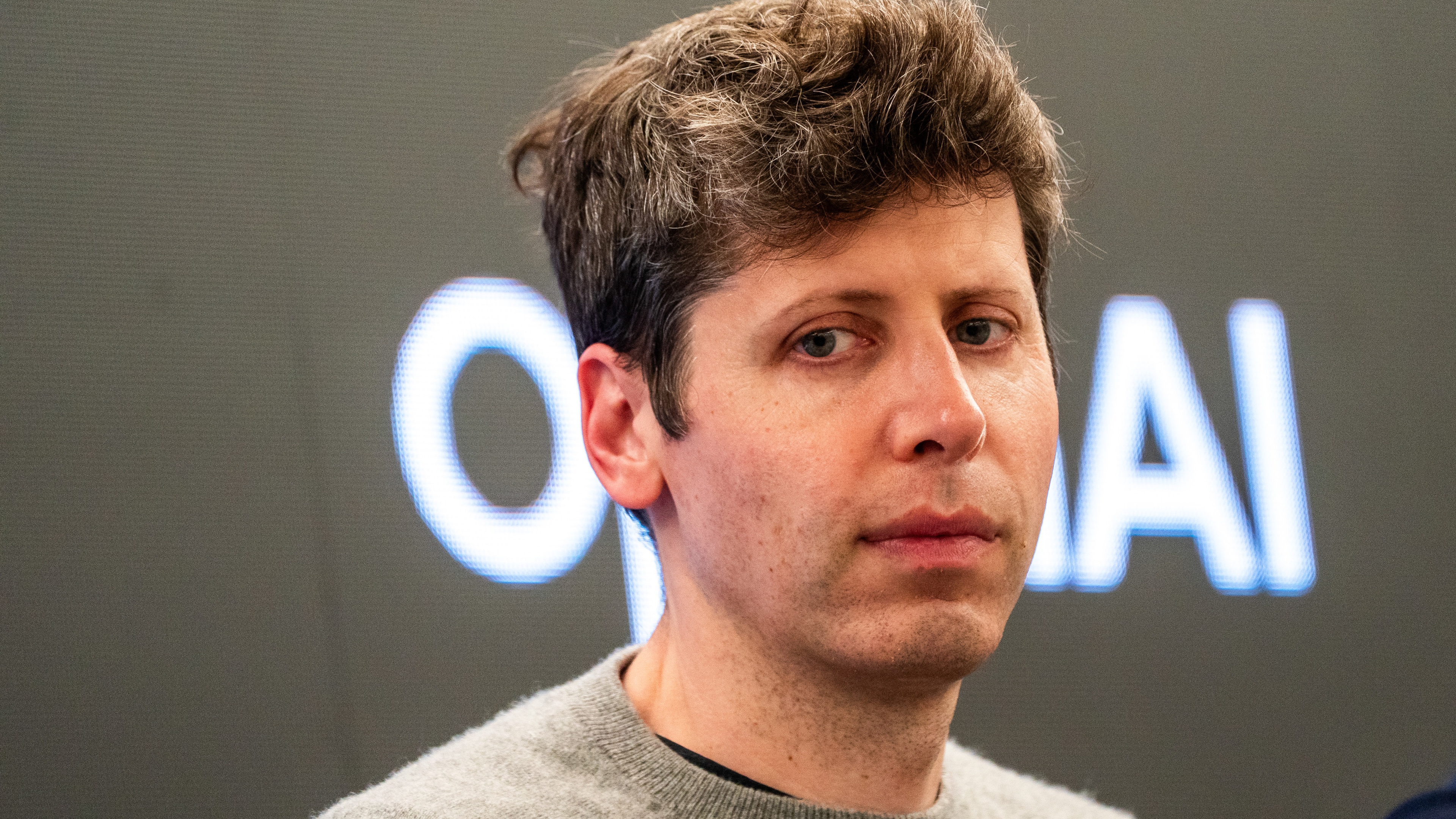
Let me put the mandatory disclaimer right here, up top: I'm not saying AI is set to vanish in a puff of smoke, never to darken our doorway again, but I am saying that 2025 felt like the year the money-mad shine came off the tech. Hell, Sam Altman went on Fallon. Nothing goes on Fallon if it's doing well.
Is that good?
Perhaps nothing this year gave me greater doubt about the inevitability of AI than a September report in the FT. Poring over their Rolodexes and talking to every big business cheese who'd pick up the phone, the biz journos at the FT found that, uh, no one really knew what they were doing with AI or why.
No, really. Outside of pure FOMO, barely any of the businesses the FT surveyed were able to identify why they'd implemented AI or how it was improving their day-to-day work. Most of the companies the paper spoke to implemented AI tech haphazardly, entirely out of a fear that their competitors were also implementing it and would beat them to a punch that no one could really identify.

The only ones able to point to an obvious benefit from AI were… energy companies, who were quite chuffed at the skyrocketing demand for their services driven by the AI data centres popping up like mushrooms after rain. Lip-licking energy providers aside, though, research by MIT Media Lab found that 95% of gen-AI pilots in offices and workplaces ran into a brick wall.
Call me a cynic, but this does not, to me, read as a technology that's set to change life on Earth and possibly invent God. It sounds like people with too much money trying to use all their money to generate even more money, and to tell themselves and each other whatever stories are conducive to that goal in the process.
But the stories only persuade for so long. You can only jam so many agentic chatbots into so many customer-support boxes on so many websites before someone—even among the cabal of cement-brained MBAs who rule and dictate our current reality—dares to suggest that maybe no one knows what they're doing.
And once one person says it, the spell starts to break, until all you're left with is a lot of very rich people trying not to be the last one standing on the rug when it's yanked out from under them.
That's to say nothing of Mecha-Hitler.

Grok, please stop
Reality gradually dawning on the world's executive class was, I reckon, by far the most impactful thing for the development of AI this year. Even if nothing else had happened with the tech, I'd still be sat here writing an article which amounts to 'I don't know about this one, guys' over the course of 800-or-so words.
But that wasn't all that happened this year. The onward march of AI was also blighted by stories like Elon Musk's Grok becoming possessed by the ghost of Rudolf Hess—declaring itself "Mecha-Hitler," becoming momentarily obsessed with conspiracy theories about white genocide and, oh, growing so alamingly sycophantic towards its owner that it was insisting for a while there that Musk was the greatest piss-drinker the world's ever seen. Which could be true, I guess. I don't think there's an official body for ranking these things.
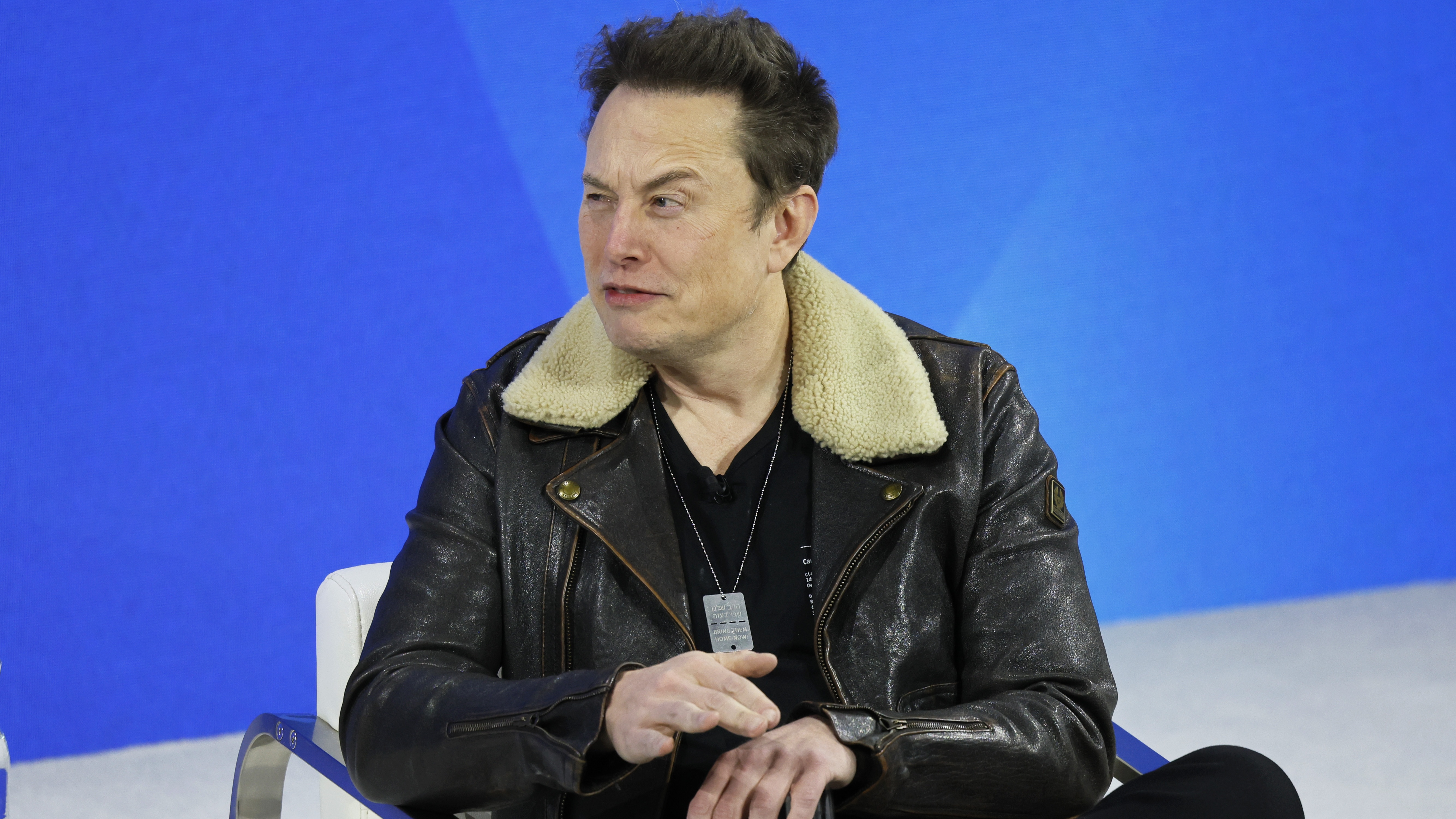
More grimly, the year also saw a young ChatGPT-user die by suicide, whose family accused OpenAI and Sam Altman of "designing and distributing a defective product that provided detailed suicide instructions to a minor, prioritizing corporate profits over child safety, and failing to warn parents about known dangers." The corporation later said the teen's "misuse" of ChatGPT was to blame for his death, because he broke the software's terms of use.
I suspect that these are far from the last stories in this vein we will ever hear. Meanwhile, can you recall many instances of AI making headlines positively in 2025? A great advancement produced by a chatbot? I can't. I suspect that won't change either. And I reckon that's a big reason why even the suits are starting to talk about this tech in less-than-messianic terms. May that trend continue long into the year to come.