
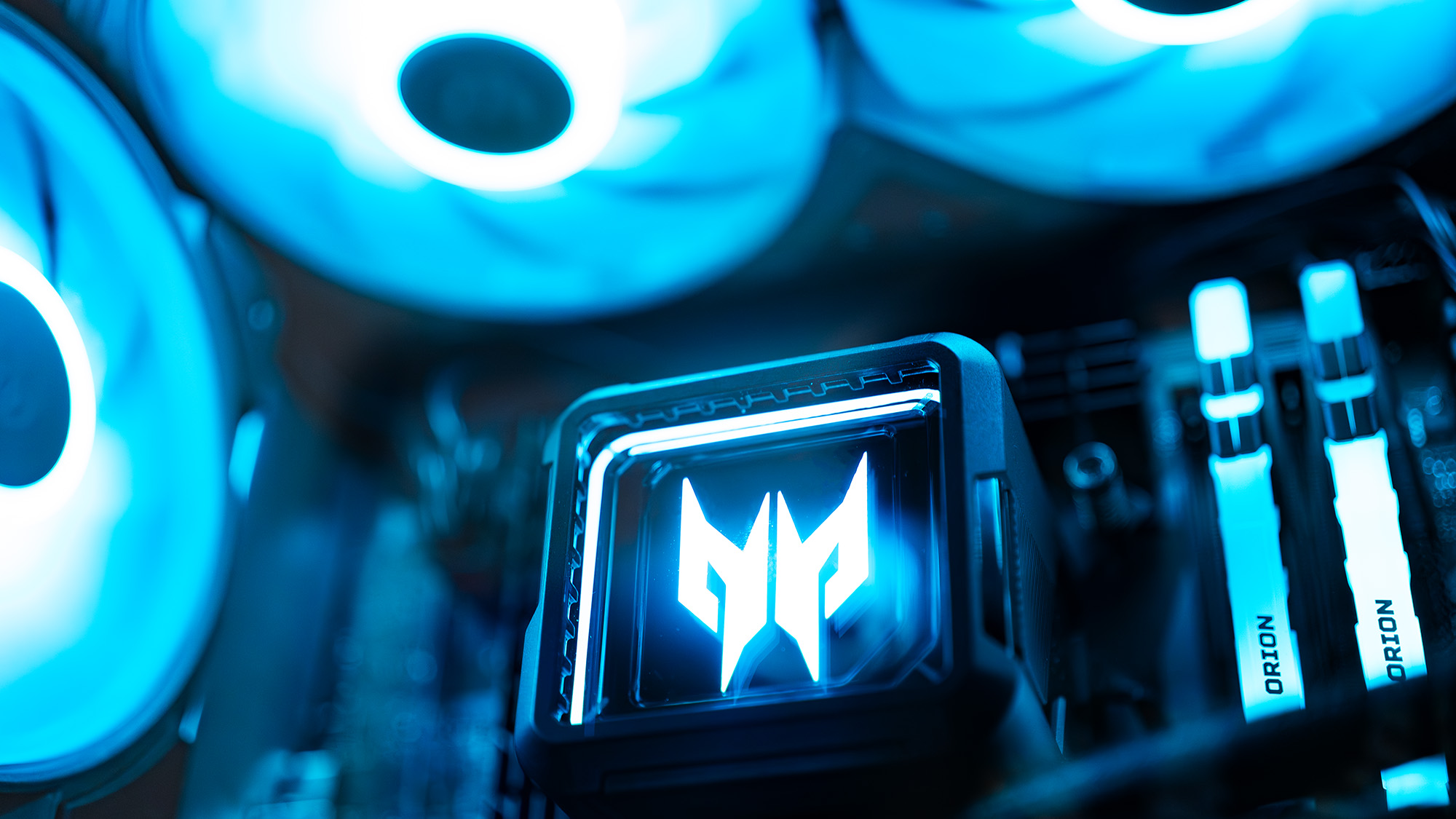
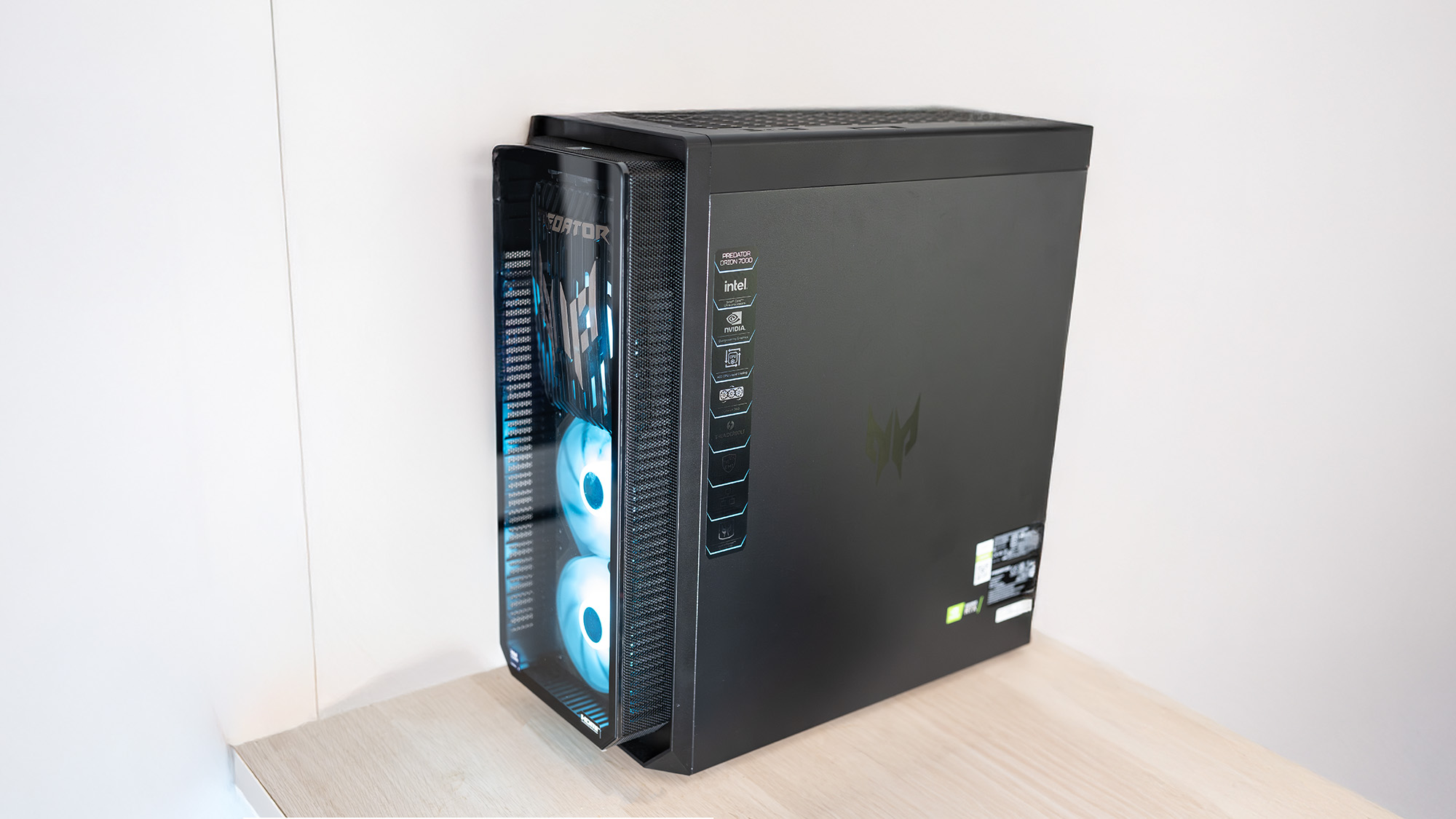
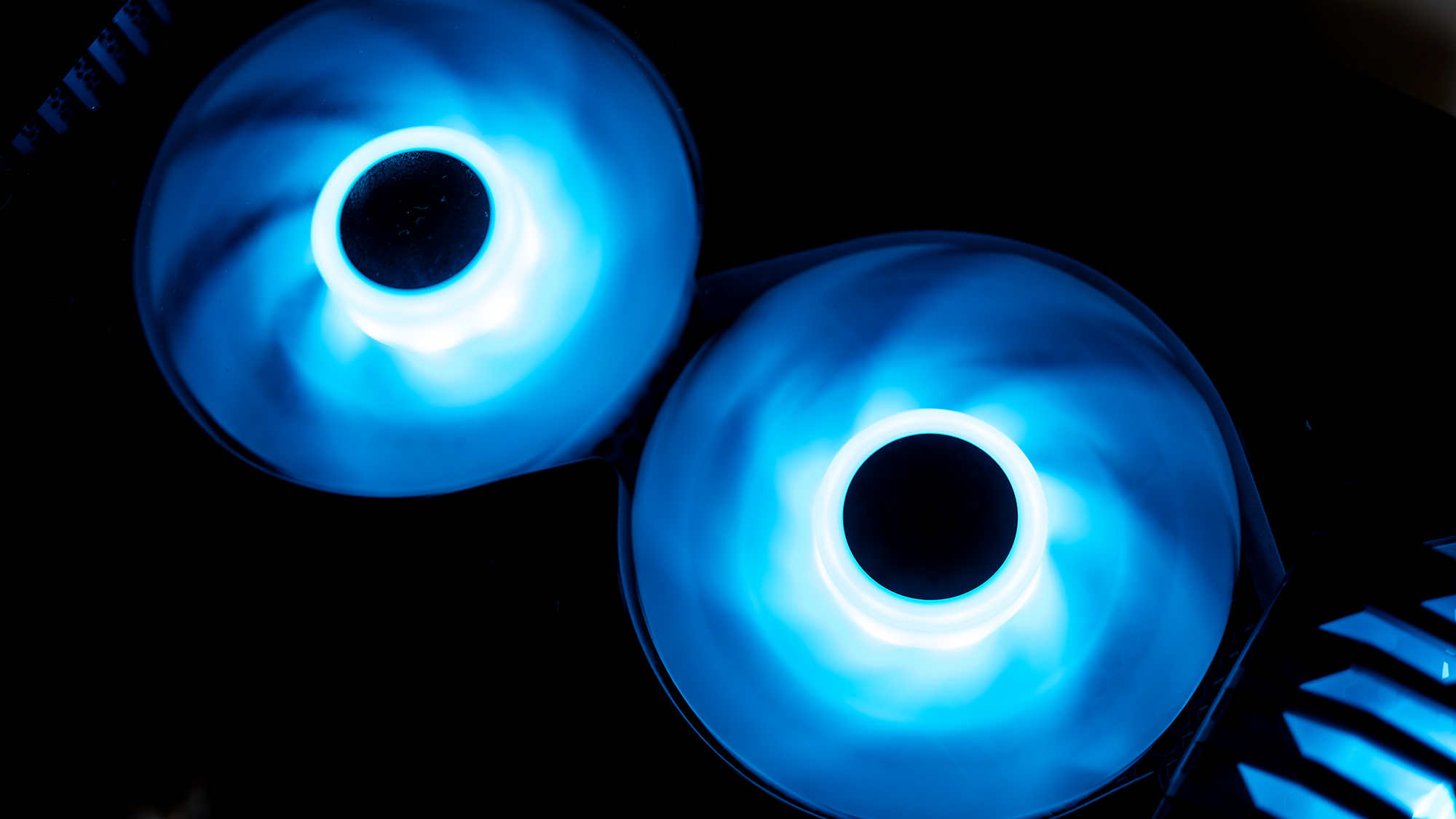
The big, black case of a proper tower PC—none of this SFF or fishtank nonsense—is a beautiful thing. It's heavy and awkward too, but that's the price you pay for having everything you need in a gaming PC as well as proper airflow. Acer's case for the 2025 Predator Orion 7000 is an excellent example of the type. It's big and roomy and weighs a ton, with enough glass to satisfy your curiosity about what's going on inside and three light-up fans on the front to look good.
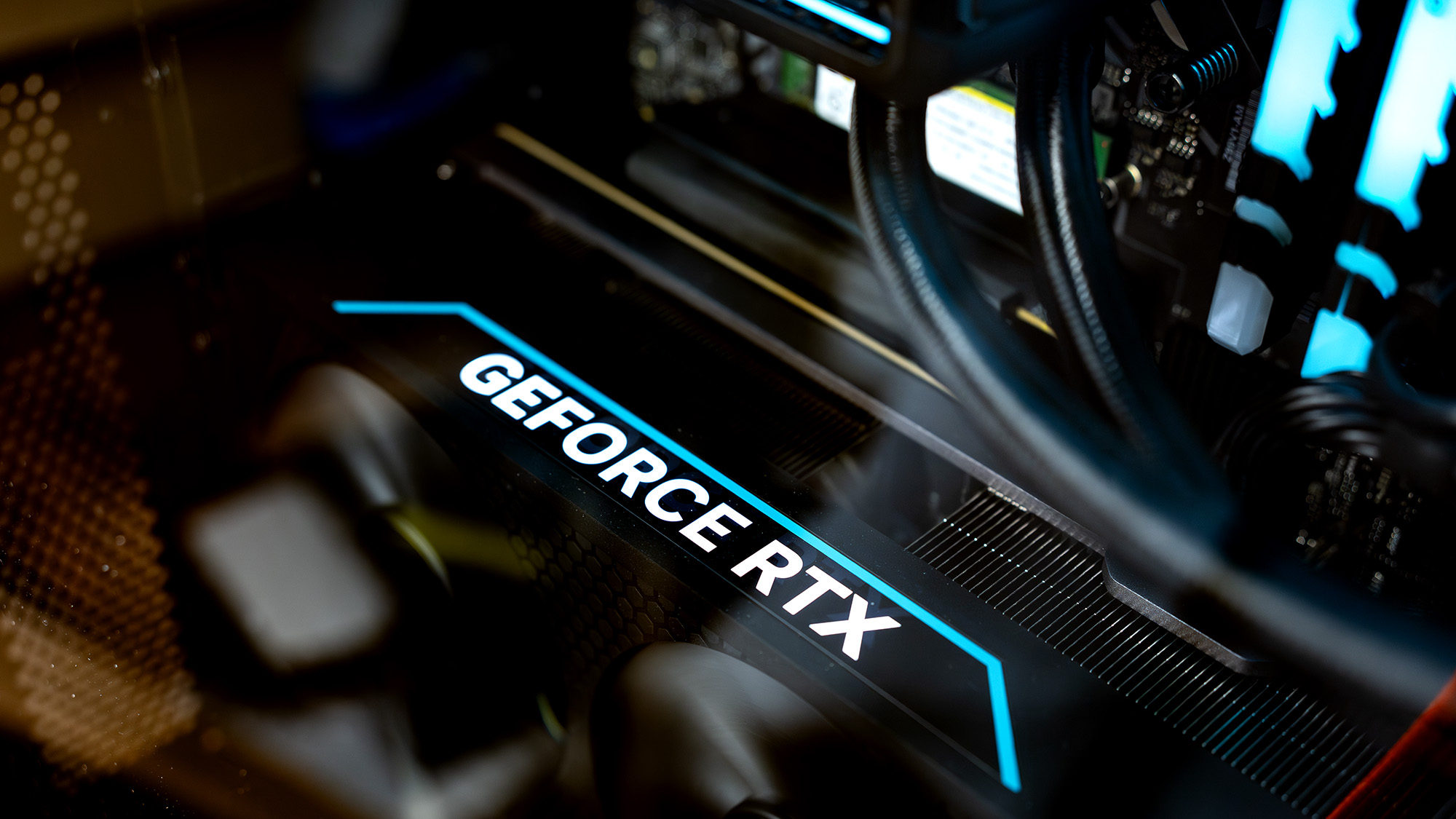
There are three more fans at the top—the CPU is liquid cooled with an AIO—an intake at the back, and the GPU is vertically mounted so its cooling system is on display. This is a PC that wants to leave you in no doubt that it's on top of its heat dissipation.
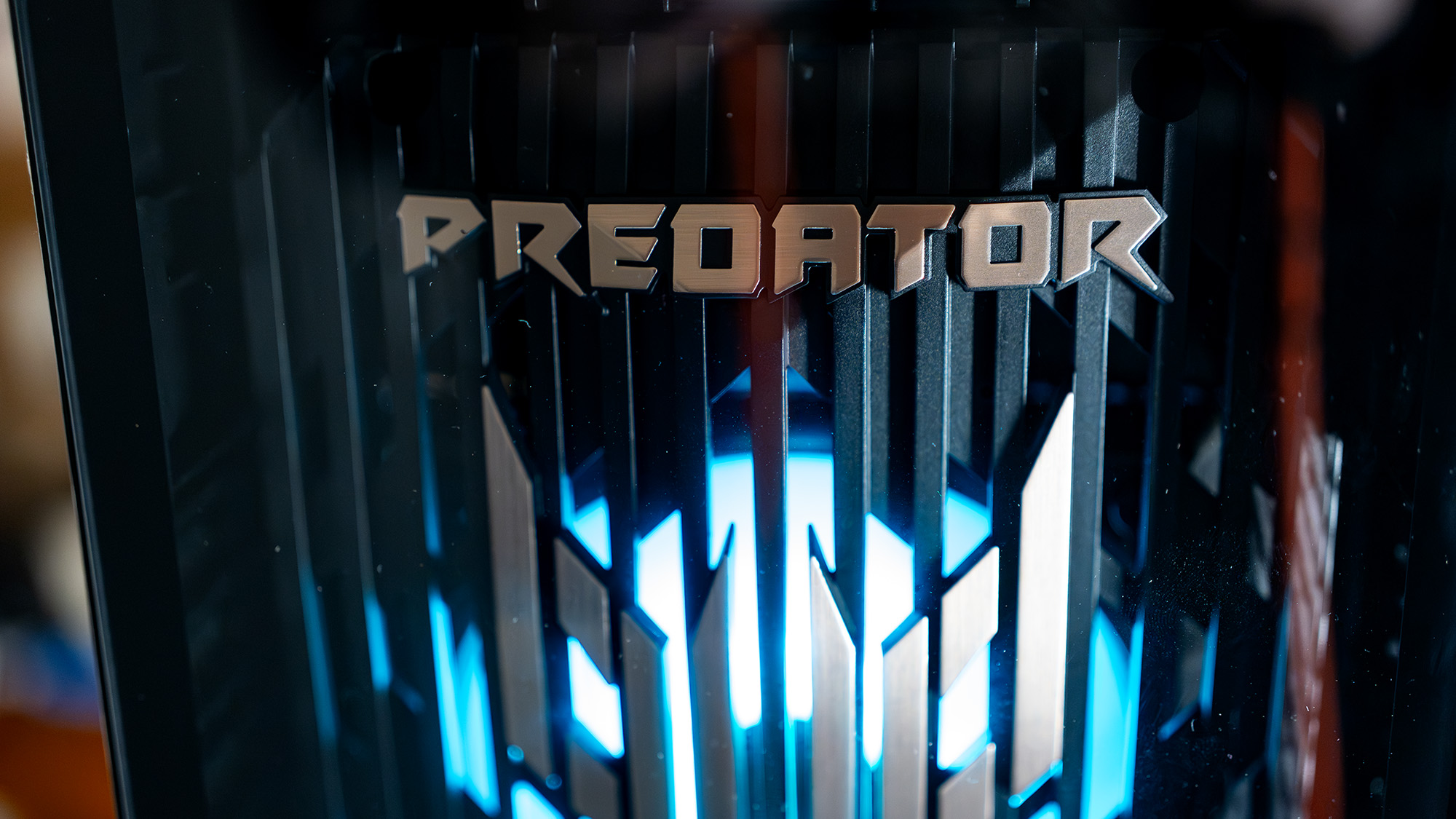
The front of the PC is the part you'll see most often, and Acer has chosen to place a 3D Predator logo behind a transparent front panel that stands proud of the case itself, a mesh-sided extrusion that gives hot air somewhere to escape around the edges and has a good, deep power button on the top you can easily find while groping around beneath your desk.
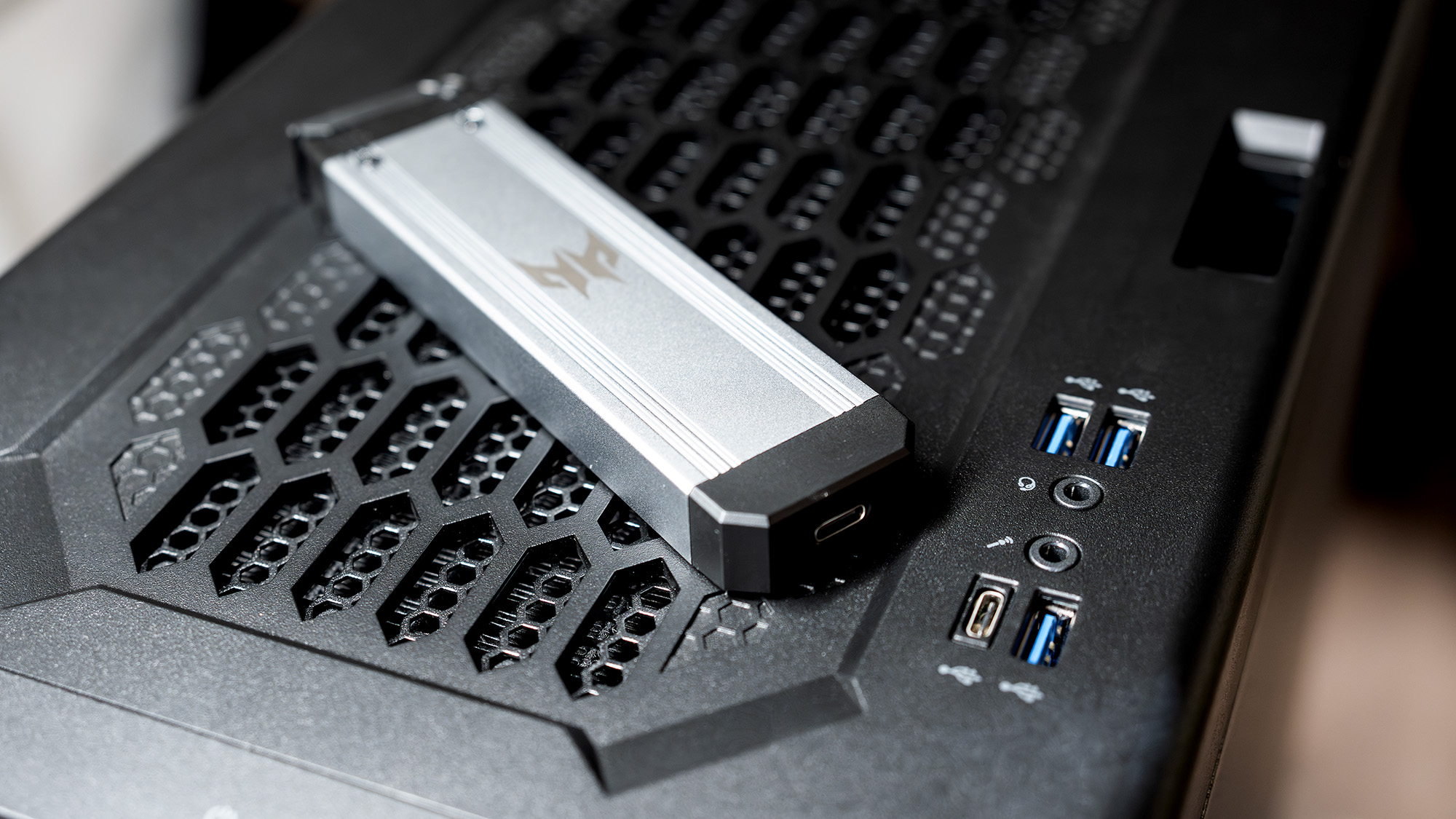
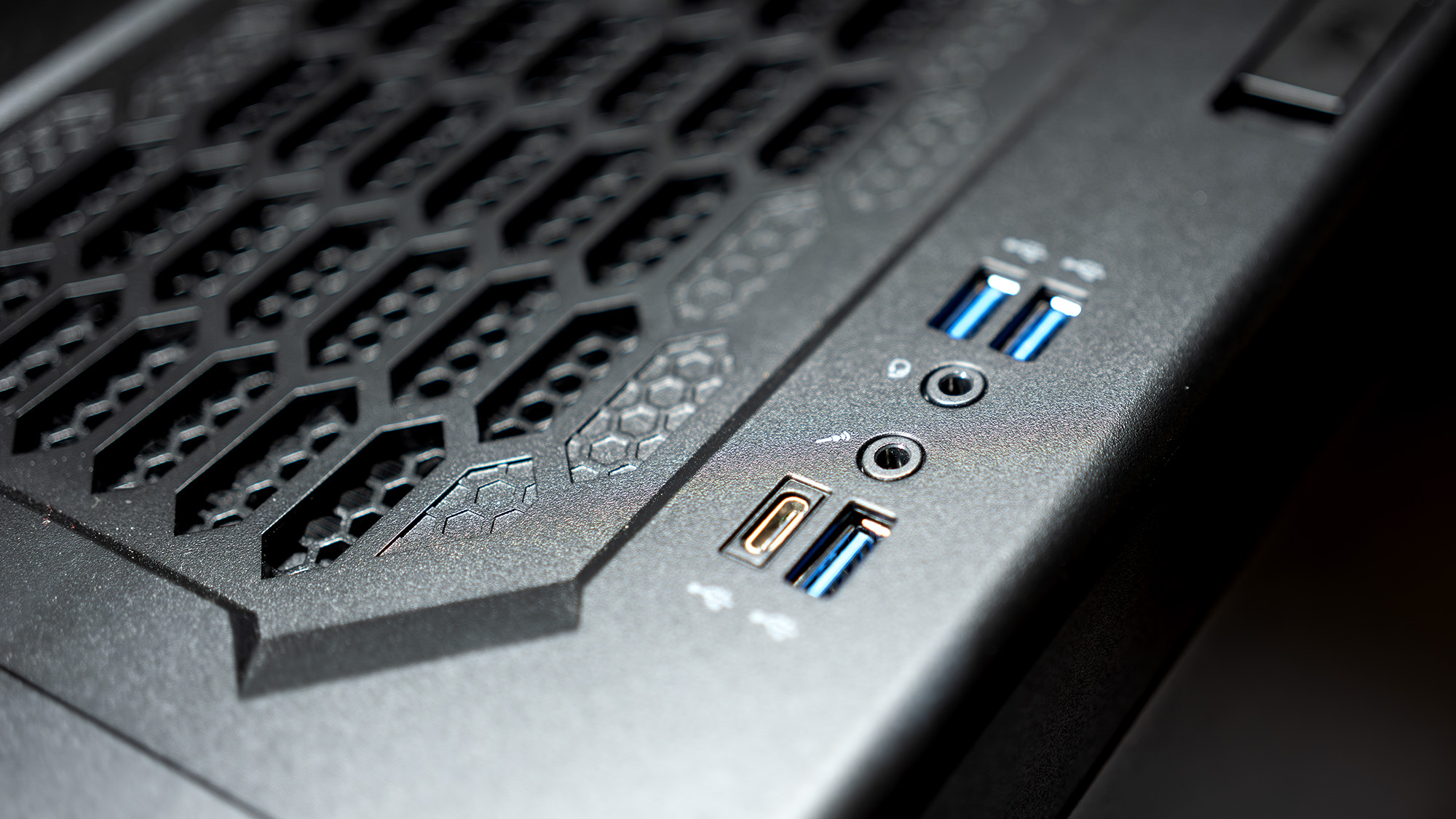
It's a well-appointed case too, with a removable caddy for a second SSD that simply slips out of the top after you lift a latch (though you'll need a screwdriver to place your M2 drive in it) plus four USB ports up on top. And, thanks to the RTX 5080 GPU, there are enough video ports to drive four monitors.
CPU | Intel Core Ultra 7 265KF |
NPU | Intel AI Boost |
Graphics | Nvidia GeForce RTX 5080 |
Memory | 32 GB DDR5-6000 |
Storage | 2 TB SSD |
Ports | 1x Thunderbolt 4, 2x USB 3.2 Type-C, 4x USB 3.2 Type-A, 2x USB 2.0 Type-A, 1x HDMI, 3x DisplayPort, 5x 3.5mm audio, 1x Ethernet |
Wireless connectivity | Wi-Fi 7, Bluetooth 5.3 |
Dimensions | 485 x 219 x 504.8 mm |
Weight | 16.16 kg |
Price | $3,500 | £3,300 |
✅ You're willing to trade money for power at any cost: No, not like a tech billionaire, but like a PC gamer looking for high resolutions, smooth framerates and the ability to push games to ultra settings.
❌ You value subtlety and, perhaps, good value: You won't find much of the former here, and the latter isn't a consideration for a machine this dedicated to the art of keeping high-performance components as cool as possible.
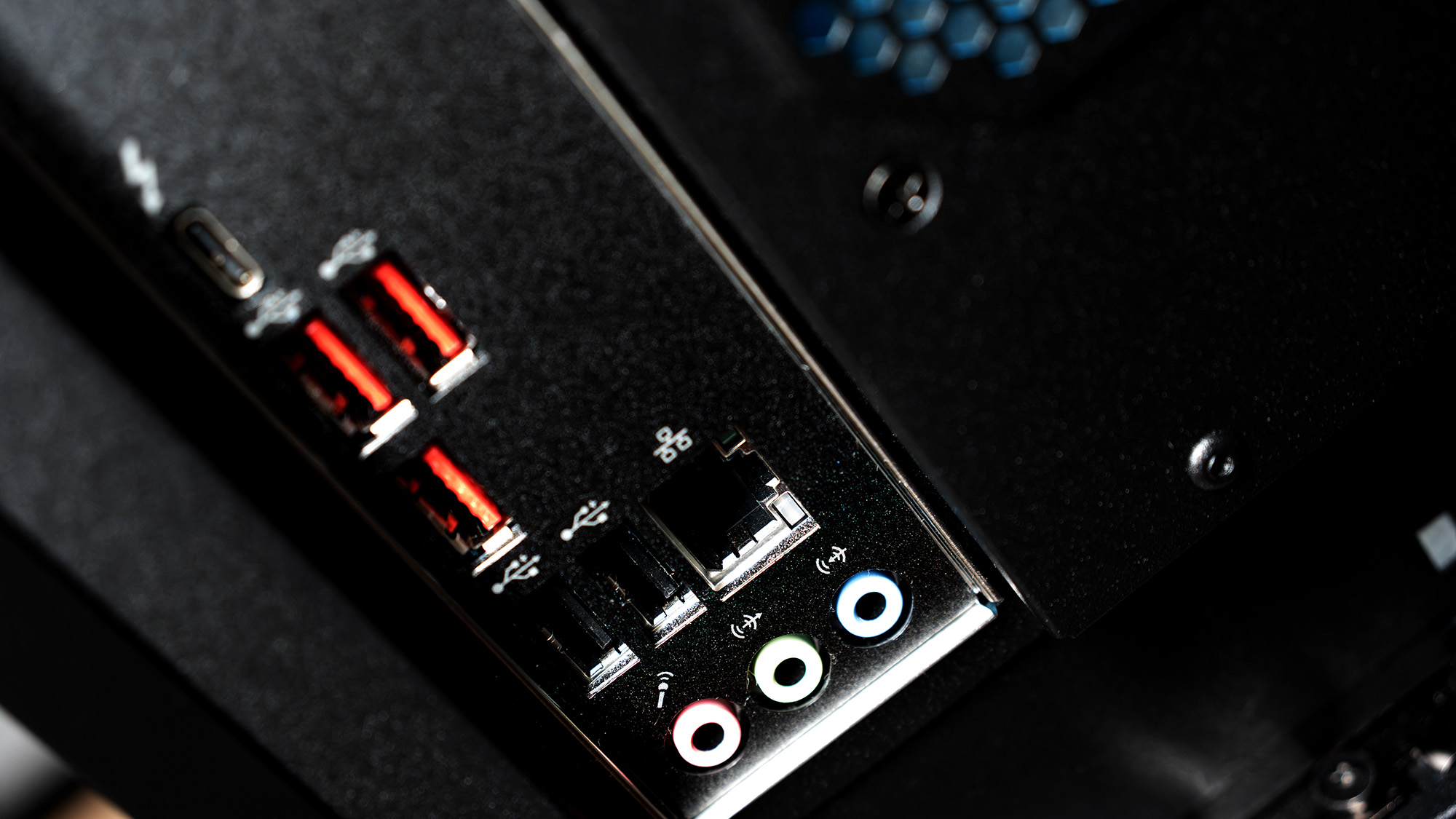
What you don't get are a lot of back-panel I/O options, with only one USB4 socket and no external Wi-Fi antenna ports. Due to the vertical nature of the graphics card, any spare M2 slots on the motherboard are blocked, making that expansion caddy a godsend for anyone less inclined to poke about inside their PC.
You might want to replace the boot drive, but only if the thought of not having the best bugs you. In our testing, the SK Hynix drive posted a perfectly reasonable speed of around 7,000 MB/s in CrystalDiskMark—that's around the top end for PCIe 4.0 drives—but in 3DMark's storage benchmark it came up significantly behind even the slowest drives tested in the past year. With an average bandwidth score of 151.41 MB/s it sits right at the bottom of the desktop PC rankings.
The drive doesn't have a heatsink, not uncommon for a PCIe 4.0 drive, but that drive sits in a PCIe 5.0 M2 slot, and it's easily accessible. As is the RAM: there's 32 GB of DDR5-6000 in the PC supplied for review, but it can take 128 GB at 7200 MT/s, meaning a quick refresh in a few years time, when prices have calmed down a bit, may be a shortcut to a small performance boost.
The space inside, and the extra airflow this facilitates, is certainly effective at cooling. Fan noise isn't an issue—the Cinebench 2024 benchmark really hurts PCs, and can make a laptop's fans spin like the roulette wheel in hell's casino. The AIO on the Orion 7000 is a different matter, and the rain on the roof of the testing lab was louder than its fans on the afternoon we tested it.
PC | CPU rendering | Rendering | File management | Video encoding | |||
Single core | Multi-core | CPU (samples) | GPU (samples) | Compressing | Decompressing | fps | |
Acer Predator Orion 7000 | RTX 5080 | Ultra 7 265KF | 139 | 2,031 | 142 | 2228 | 150 | 159 | 104 |
Corsair One | RTX 5080 | Core Ultra 9 285K | 141 | 2,364 | 172 | 2316 | 197 | 198 | 95 |
Corsair Vengeance A7500 | RTX 5080 | Ryzen 7 9800X3D | 131 | 1337 | 101 | 2252 | 132 | 142 | 91 |
Alienware Area-51 | RTX 5090 | Core Ultra 9 285K | 132 | 2182 | 155 | 3783 | 168 | 187 | 116 |
PC | Gaming | Gaming | Creator | Creator | Creator |
Avg | Max (°C) | Avg | Max (°C) | Idle | Max (°C) | Idle | Max (°C) | Max (°C) | |
Acer Predator Orion 7000 | RTX 5080 | Ultra 7 265KF | 53 | 62 | 64 | 70 | 35 | 72 | 27 | 48 | 35 |
Corsair One | RTX 5080 | Core Ultra 9 285K | 54 | 63 | 60 | 65 | 50 | 88 | 32 | 46 | 51 |
Corsair Vengeance A7500 | RTX 5080 | Ryzen 7 9800X3D | 57 | 64 | 65 | 70 | 43 | 95 | 47 | 59 | 48 |
Alienware Area-51 | RTX 5090 | Core Ultra 9 285K | 52 | 59 | 65 | 71 | 30 | 82 | 38 | 68 | 49 |
The liquid cooling for the CPU uses a 3400 RPM pump, 360 mm radiator and a cold plate with ‘enhanced thickness', offering more room in its internal channels for the coolant to flow. It's clearly doing something, as the Ultra 7 pushed above the Ultra 9 275K and the holy Ryzen 7 9800X3D in the multi-core Cinebench test. Only the Ultra 9 285K in the Corsair One i600, with its dual 240 mm liquid coolers and four more cores (24 vs 20, the same number of P cores backed by extra E cores), beats it here.
PC | Avatar: Frontiers of Pandora | Cyberpunk 2077 | Cyberpunk 2077 | Baldur's Gate 3 | Black Myth: Wukong | Black Myth: Wukong | Metro Exodus Enhanced Edition |
Avg | 1% Low | Avg | 1% Low | Avg | 1% Low | Avg | 1% Low | Avg | 1% Low | Avg | 1% Low | Avg | 1% Low | |
Acer Predator Orion 7000 | RTX 5080 | Ultra 7 265KF | 102 | 44 | 83 | 59 | 191 | 70 | 101 | 65 | 65 | 45 | 92 | 73 | 142 | 47 |
Corsair One | RTX 5080 | Core Ultra 9 285K | 87 | 37 | 83 | 70 | 196 | 139 | 112 | 70 | 67 | 50 | 92 | 79 | 156 | 79 |
Corsair Vengeance A7500 | RTX 5080 | Ryzen 7 9800X3D | 99 | 58 | 85 | 69 | 198 | 59 | 158 | 83 | 67 | 58 | 93 | 80 | 152 | 98 |
Alienware Area-51 | RTX 5090 | Core Ultra 9 285K | 142 | 69 | 120 | 83 | 256 | 161 | 92 | 60 | 91 | 64 | 121 | 77 | 158 | 70 |
The same is true of the graphics card. The RTX 5080 may have had a troubled launch but has established itself as an effective top-end graphics card, especially when you take tricks like multi-frame generation into account. It shares the RTX 5080 with the Corsair One, but in Avatar: Frontiers of Pandora it pulls ahead, putting on 15 more frames per second on average in the 1440p test.
It puts on the best performance we've seen by a 5080 in Ubisoft's angry Smurf game, only beaten by RTX 5090 benchmarks. In Cyberpunk 2077 it matches the Corsair in average frame rate, though its 1% lows are lower. Bump Cyberpunk up to 4K, and you can get 99 fps out of its ray-tracing ultra quality setting using DLSS quality mode and 2x frame-gen.
Arrow Lake processors are easier to cool than their Raptor Lake predecessors, and the thickened cooling plate of the AIO used by Acer keeps hotspots under control. During a triple run of the Metro Exodus benchmark it barely broke a sweat, averaging 53°C and topping out at 62°C—almost the lowest temperature that has ever been recorded by PCG in this test.
Buying a big, pre-built gaming PC like this is going to come down to price, and at £3,299 or American equivalent (nearly four and a half grand) this is a lot of money to drop in one go. That said, the Corsair One with a slightly better CPU and a smaller case is almost the same price, so we could be looking at the market rate as we head into a 2026 that's seeing RAM prices explode even if graphics cards aren't quite as rare as they used to be.