
Winter landscapes are often overlooked in favor of more colorful seasons but with snow-blanketed scenes, muted tones, and soft morning light, they offer a powerful sense of stillness and introspection. Winter landscape photography invites photographers to slow down and tune into the subtle beauty of the natural world during its quietest time.
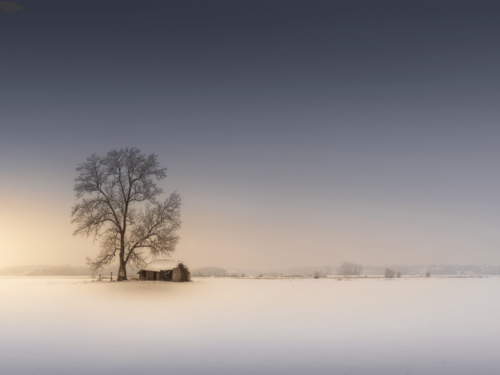
One of the strengths of winter landscape photography is its natural tendency toward minimalism. Bare trees, snow-covered fields, and overcast skies strip scenes down to their essential elements, creating visual clarity and emotional resonance.
When composing, look for:
Use negative space intentionally. Let the emptiness tell part of the story.
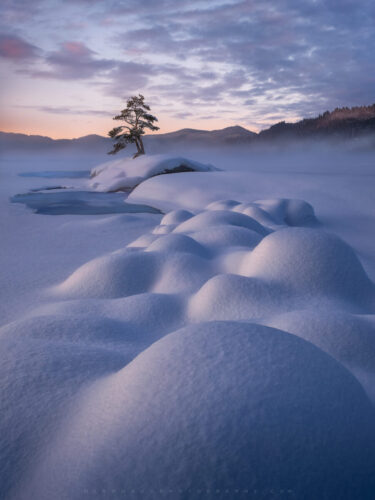
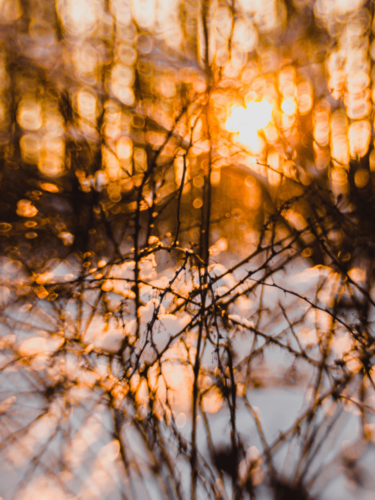
Winter sun sits lower in the sky and moves faster, which means golden hour happens earlier and doesn’t last long. But that golden, diffused light reflecting off snow can produce ethereal results.
Tips:
The cold can challenge both you and your gear but a few preparations make all the difference.
Camera settings:
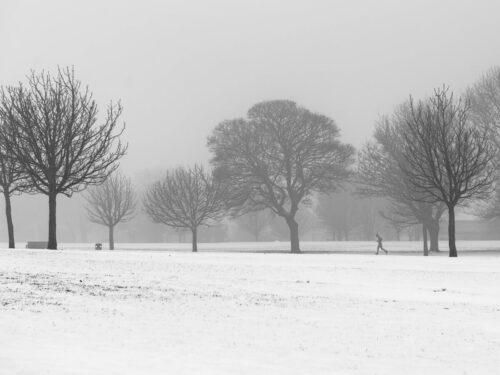
Winter can feel lonely but adding a figure into your shot instantly introduces scale, mood, and story. Think of a solitary hiker in the snow or a bundled-up child playing in the distance. These additions remind the viewer of presence in the quiet.
Whether you’re shooting vast open spaces or intimate woodland paths, winter landscape photography invites you to find serenity and stillness, to see what’s left behind when the world slows down.
Extended reading: Landscape photography: 10 ideas to inspire you!
The post Winter Landscape Photography: Finding Beauty in the Quiet appeared first on 500px.